
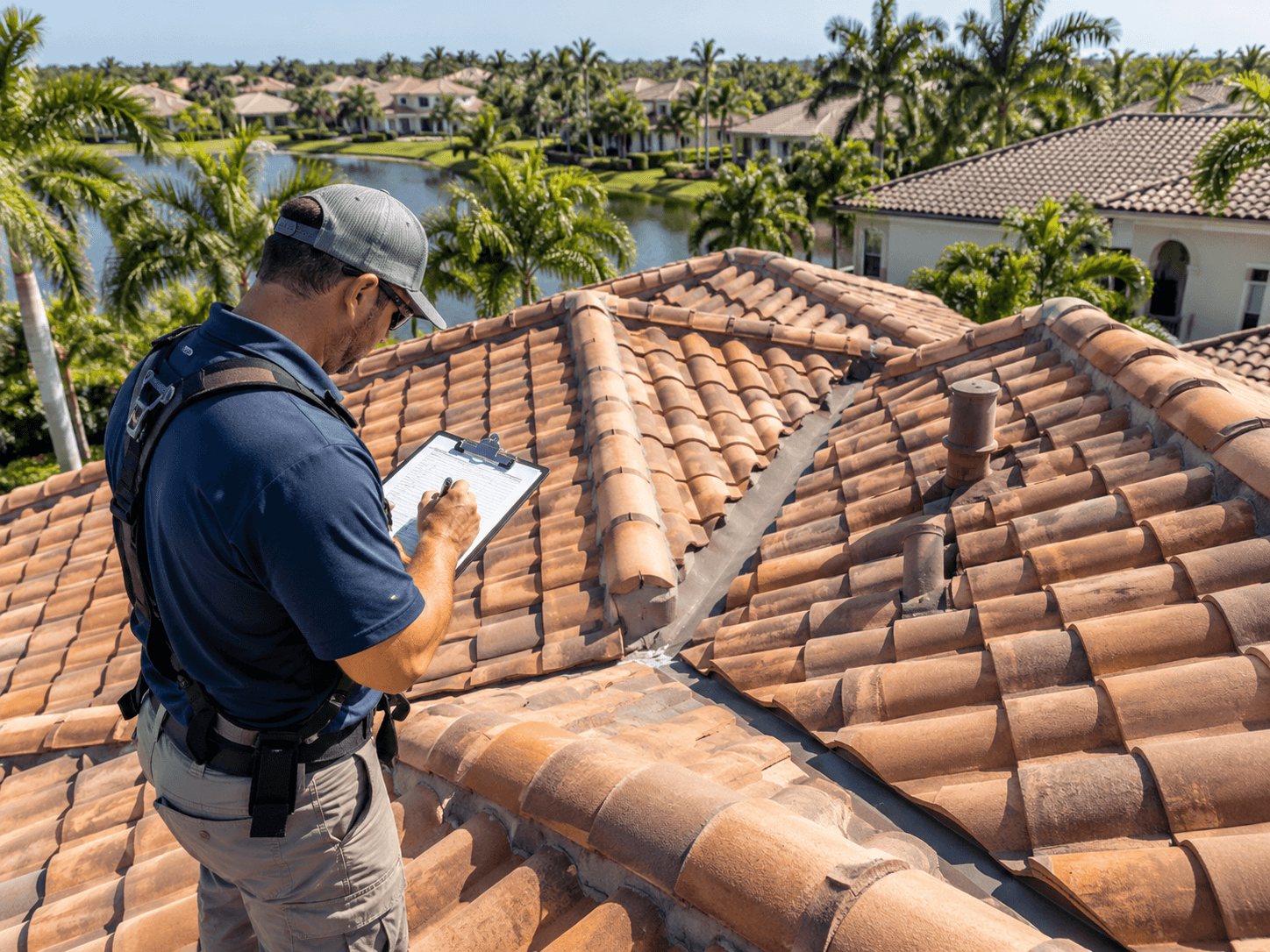
Roof Inspection in Tampa Bay: What a Real Inspection Covers and How It Protects Your Home
A roof inspection, also called a roof assessment, is a documented look at the whole roof system, from the ceiling stain inside the home to the attic and the roof above it. Knowing what a real inspection covers protects a homeowner from two costly mistakes: missing a leak that is still growing, and replacing a roof that only needed repair. This page explains what a roof inspection is, what it includes, what separates a thorough inspection from a quick look, when to get one, what it costs, and what to know about inspections for insurance and real estate, including attic, flashing, and wind mitigation checks.

Ready to Talk About Your Roof?
Real Feedback From Local Customers


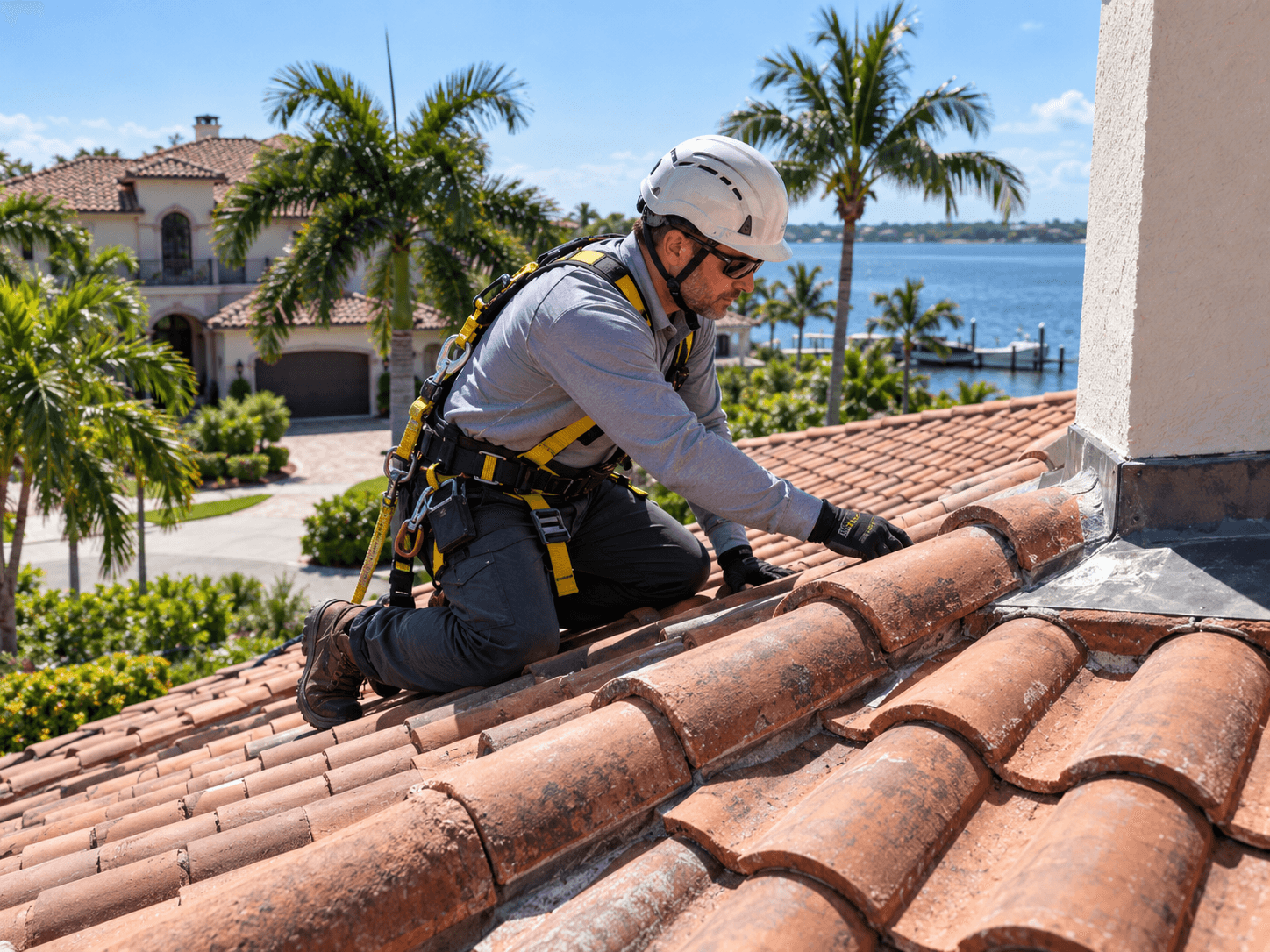
What Is a Roof Inspection?
A roof inspection is a documented evaluation of the roof covering, flashing, penetrations, attic, and decking that finds both active leaks and developing problems. It ends with written findings and photos, so the homeowner can see what the inspector saw. Typical findings include cracked pipe boots, open seals along wall flashing, soft or stained decking seen from the attic, slipped or broken tile, lifted shingles, and cracked ridge mortar. Each finding is a small repair today and a larger one if it waits through another rainy season.
A homeowner’s roof inspection is different from the city’s permit inspection of a new roof. The permit inspection confirms that a reroof meets code at specific stages of the job, and those requirements come from the Florida Building Code for Roofs.
What Does a Roof Inspection Include?
A roof inspection from RAVASA Roofing includes eight steps, from the roof’s history to a photographed report. The steps of a RAVASA Roofing roof inspection are these:
- Learn the roof’s age, past repairs, and whether the leak has resisted earlier fixes.
- Walk inside with the homeowner to every water stain and damp wall below the roof.
- Inspect the attic: the underside of the roof deck, moisture, and ventilation.
- Inspect the roof covering by type: tile, shingle, metal, or flat.
- Trace roof flashing, valleys, skylights, vents, and pipe boots from top to bottom.
- Check chimney caps and stucco, which often leak in ways that look like a roof leak.
- Follow the water path across the roof, not just the stain.
- Photograph and document every roof finding for the homeowner.
Step seven is where experience shows. RAVASA Roofing works by a simple principle, “think like water”: water runs downhill, then sideways, and changes direction when it hits a nail, so a leak often enters far from where it appears. The guide to how roof leaks really travel explains that path in detail.

What Separates a Thorough Inspection From a Quick Look?
A thorough roof inspection follows the water through the attic and along every flashing run, while a quick look checks only the surface. The table below compares the two.
| Area | Quick look | Thorough inspection |
|---|---|---|
| Interior stains | Noted, if mentioned | Visited with the homeowner and traced upward |
| Attic | Skipped | Deck underside, moisture, and ventilation checked |
| Valleys and wall flashing | Checked where the stain appears | Checked along the whole run, top to bottom |
| Chimney and stucco | Assumed to be roof | Checked as a separate possible source |
| Documentation | A verbal opinion | Written findings with photos |
This table shows why two inspections of the same roof can reach different answers. Water can enter at the top of a valley and appear at the bottom, so RAVASA Roofing treats a valley or a wall flashing as one run from top to bottom. That habit is the heart of finding a roof leak correctly the first time.
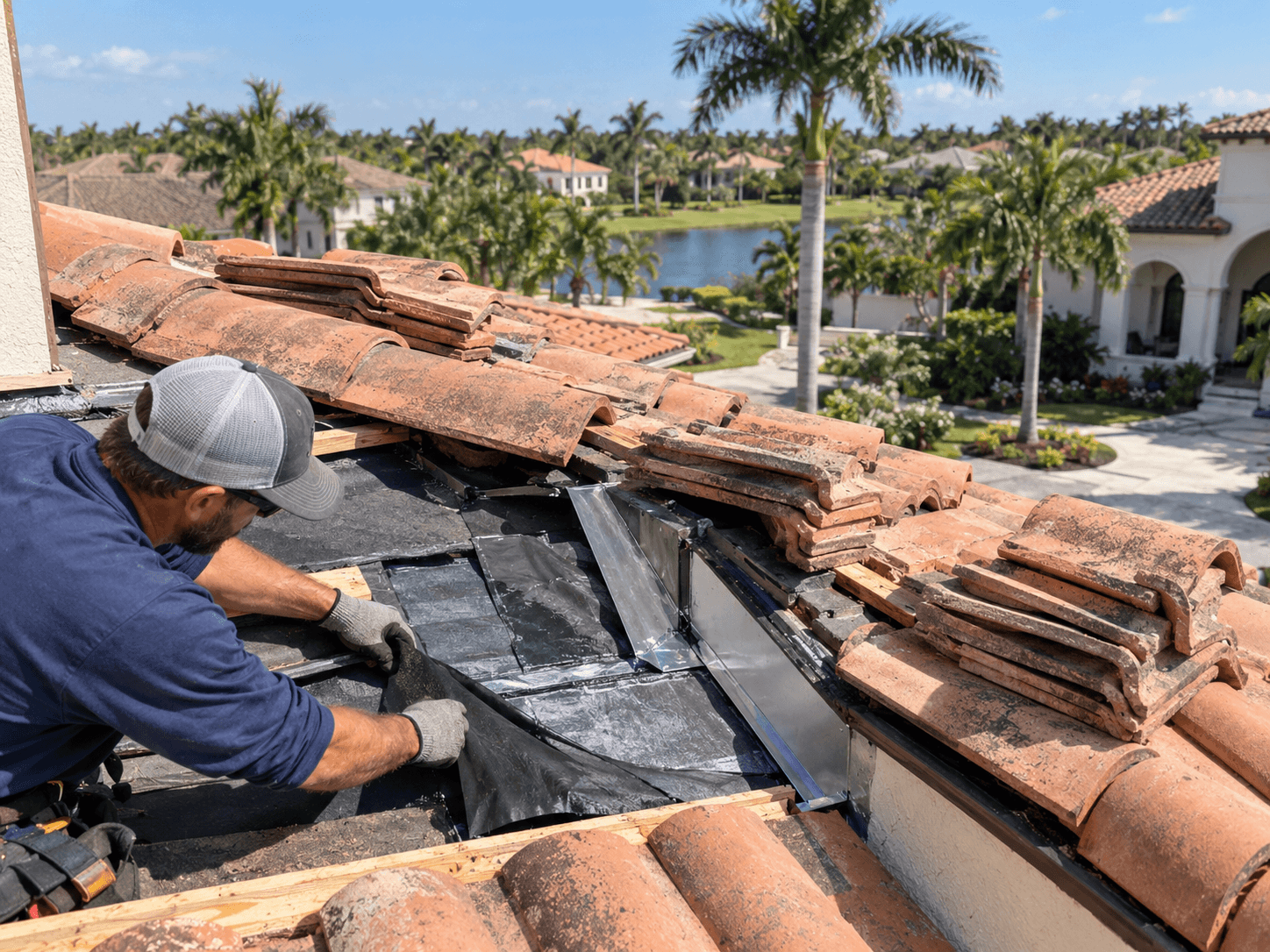
When Should You Get a Roof Inspection?
You should get a roof inspection at set points in a roof’s life and after events that can damage it. Six occasions call for a roof inspection:
- A roof inspection at year five on a tile roof, unless the installation was poor.
- A roof inspection after every major storm or hurricane.
- A roof inspection before buying or selling a home, by someone qualified to judge the roof’s remaining life.
- A roof inspection when an insurer asks about the roof’s age or condition.
- A roof inspection before hurricane season, while repairs can still be scheduled.
- A roof inspection at the first sign of a leak, before the damage spreads.
RAVASA Roofing typically returns an inspection request the same day and schedules the visit for the next day. Regular inspections are also the backbone of roof maintenance in Florida.
How Much Does a Roof Inspection Cost?
The cost of a roof inspection depends on the roof’s size, how easy it is to reach, the scope of the report, and whether insurance forms are needed. A walk-around visual check costs less than an inspection that includes the attic, a full photo report, and paperwork for an insurer. Whatever the price, a complete roof inspection report should name the roof’s age and type, list each finding with a photo and its location, separate urgent repairs from items to watch, and state whether the roof is a repair candidate or nearing replacement. A report that does all four is worth more than a free opinion that does none of them.

What Should Homeowners Know About Inspections for Insurance and Real Estate?
Homeowners should know that insurance and real estate inspections follow different rules from a leak inspection, and the person doing them matters. Many Florida insurers ask for a roof-condition or four-point inspection on older homes before they renew a policy.
Wind mitigation reports earn insurance credits for features such as hurricane straps and a secondary water barrier, and the savings vary by carrier. RAVASA Roofing uses independent third-party inspectors for wind mitigation inspections, because a contractor inspecting its own roof creates a conflict of interest.
Real estate deals add a different risk. Many home inspectors are not roofers, and in Don Campbell’s experience an inspector without roofing training can misjudge a roof’s remaining life in either direction, which can push a sale toward an unneeded replacement or hide a real problem. After a storm, a documented inspection also anchors how roof insurance claims work, because it shows the roof’s condition before the damage.
