
Roof Replacement in Tampa Bay: What to Know to Choose and Protect a New Roof
A roof replacement, also called a re-roof, removes the old roof down to the wood deck and builds a complete new roofing system in its place. For most Tampa Bay homeowners, a new roof is one of the largest investments in the home, so it pays to know what the work involves before choosing a contractor and how to protect the roof once it is finished. This guide explains what a roof replacement is, when a roof needs one instead of a repair, which roof types RAVASA Roofing replaces, the steps of the job, what it costs, the warranty that should come with it, and what to know about permits, insurance, and Florida’s 25 percent roof rule.


What Is a Roof Replacement?
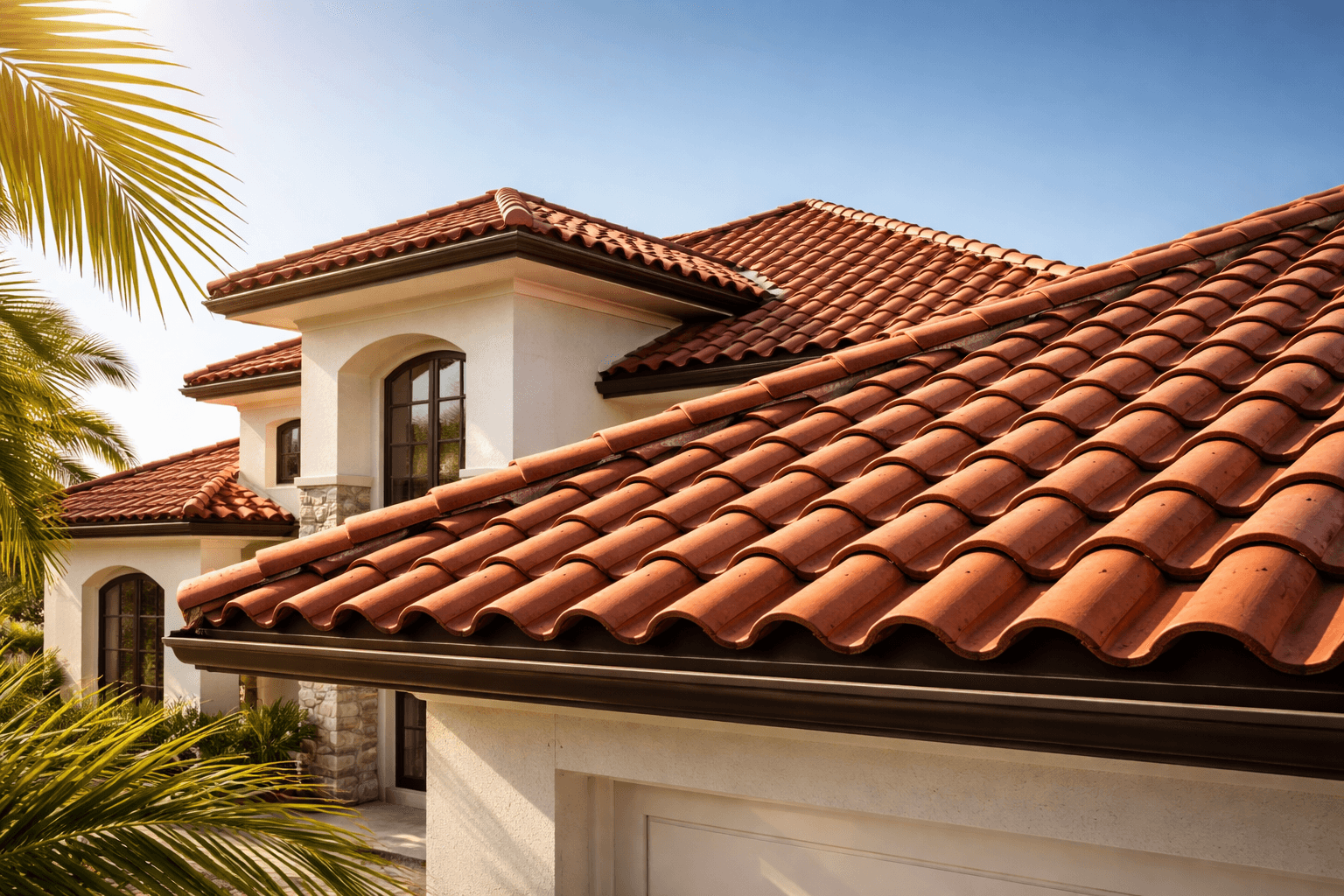
A roof replacement removes the covering, underlayment, and flashing down to the roof deck, replaces any damaged decking, and installs a complete new roofing system. The new system includes fresh underlayment, new flashing at every wall and penetration, and a new covering of tile, shingle, metal, or a flat membrane.
A roof replacement differs from a roof repair in scope. A proper repair rebuilds one section of the roof down to the wood, so that section is effectively new. A replacement rebuilds the entire roof system at once. In 33 years of roofing, Don Campbell has found that almost every roof can be repaired, and the real question is whether repair still makes economic sense. That question is worth answering carefully when deciding between repair and replacement.
When Does a Roof Need to Be Replaced?
A roof needs to be replaced when the system is near the end of its range, when repairs no longer make economic sense, or when problems appear across the whole roof. Five signs point to a roof replacement:
- Roof age near the end of its range. A Florida asphalt shingle roof typically lasts 15 to 25 years, and a Florida tile roof system lasts 25 to 50 years, with the underlayment often wearing out first around year 25.
- Roof repair costs that have crossed the economic line. In Don Campbell’s experience, shingle roofs past about 10 years and tile roofs between 18 and 22 years often reach the point where another repair returns less than it costs. That is a decision point, not a lifespan.
- Roof leaks that recur in several areas instead of one.
- Roof decking that feels soft underfoot or shows rot from the attic.
- A roof that an insurer or the code requires you to replace. Florida carriers commonly ask for an inspection or a new roof once a shingle roof reaches about 15 years, and large repairs on an older roof can trigger a full replacement under Florida’s 25 percent roof rule.
When the decision is close, Don asks homeowners one question first: is this your forever home? The answer usually settles whether another repair or a new roof is the better investment.

What Types of Roofs Can Be Replaced?
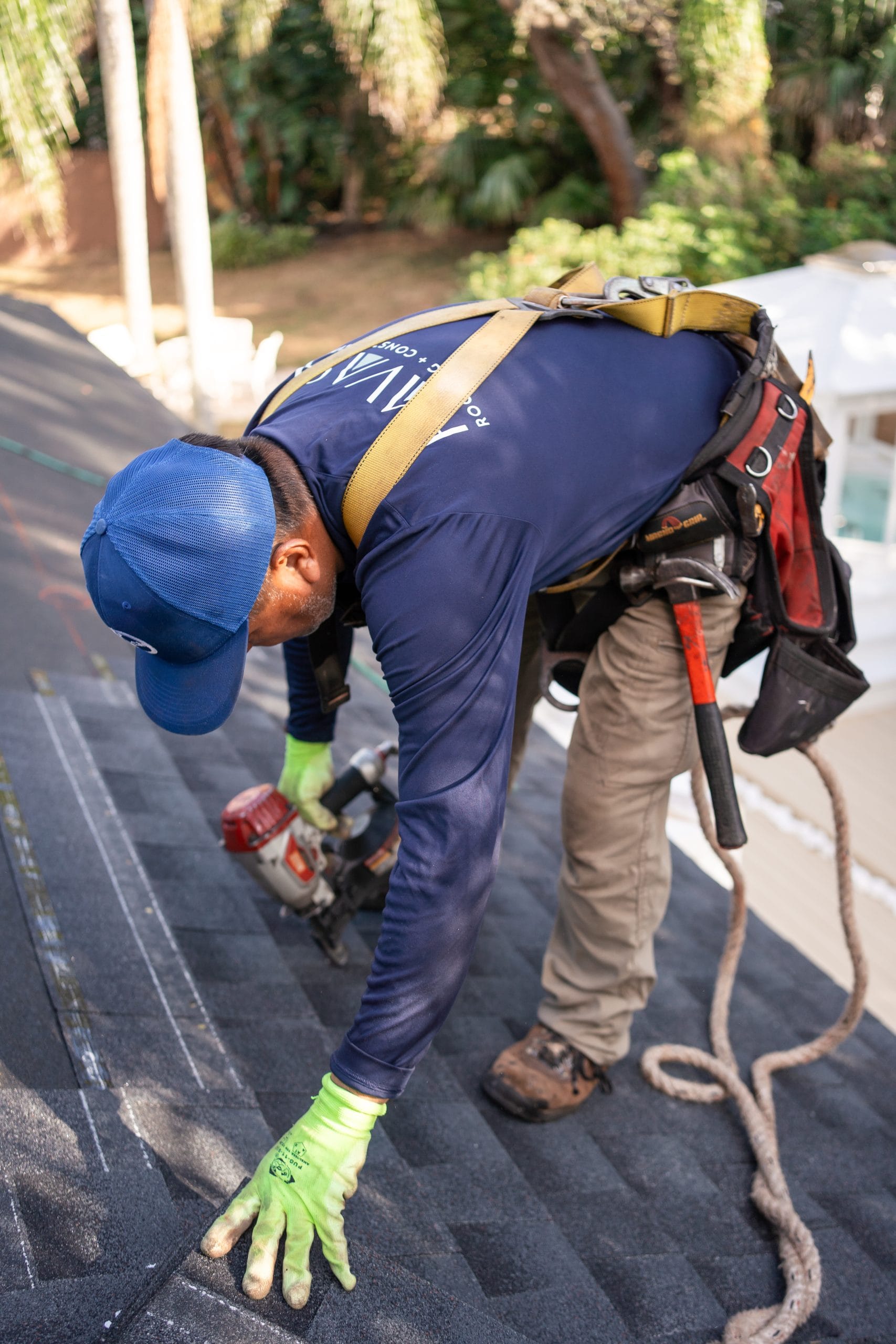
RAVASA Roofing replaces four types of roofs: tile, shingle, metal, and flat roofs. Each roof replacement type carries a different Florida lifespan, cost, and best use.
- Tile roof replacement: concrete or clay tile over an underlayment system, the dominant roof in Tampa Bay’s golf and Mediterranean-style communities. A Florida tile roof system lasts 25 to 50 years and suits owners who plan to stay. RAVASA Roofing explains replacing a tile roof in full on its own page.
- Shingle roof replacement: asphalt shingles, Florida’s most common covering, which last 15 to 25 years in Florida sun and storms. A shingle roof replacement suits tighter budgets and homes not framed for tile weight. Read more about shingle roofs in Florida.
- Metal roof replacement: residential standing seam or snap-lock panels, which last 40 to 70 years in Florida. An aluminum metal roof replacement suits waterfront homes because aluminum resists salt air. See standing seam metal roofing.
- Flat roof replacement: a membrane roof on low-slope sections such as a 300 to 700 square foot Florida room. A $2,500 flat roof repair often makes less sense than a new flat roof at about $5,000 to $6,000. Learn more about flat roofs on Florida rooms.
Tile, shingle, metal, and flat roof replacements follow the same core process from tear-off to final inspection, and they differ mainly in lifespan, weight, and cost.
What Are the Steps of a Roof Replacement?
A roof replacement follows eight steps, from the first inspection to the final walkthrough. The steps of a roof replacement are the following:
On tile roofs, RAVASA Roofing schedules the tear-off backward from the tile delivery date, so the roof is dried in, inspected, and tiled in about 10 days. A common industry pattern stretches the same job across roughly 90 days, because payment schedules tied to dry-in leave the roof waiting for tile. The tile re-roof process page walks through that schedule. Every step must also satisfy the Florida Building Code for Roofs, which sets the permit, nailing, and inspection requirements.
How Much Does a Roof Replacement Cost?
A typical full roof replacement in Florida costs $10,000 to $35,000, and tile roofs on large homes cost considerably more. The price depends on the roof material, roof size and pitch, the number of layers torn off, decking condition, required code upgrades, and access to the roof. For reference, RAVASA Roofing prices its two-layer tile underlayment system at $1,450 to $1,600 per square (100 square feet), and tile re-roofs in Lakewood Ranch typically run $65,000 to $120,000. Financing is available through Roofle. A full breakdown by material lives on the roof replacement cost in Florida page.
What Warranty Comes With a New Roof?
A new roof from RAVASA Roofing comes with a written labor and material warranty, and its length depends on the roof system. The table below lists the warranty by system.
| System | Labor and material warranty | Transferable to a buyer |
|---|---|---|
| Tile roof, single-ply underlayment | 10 years | Yes |
| Tile roof, two-ply underlayment | 20 years | Yes |
| Shingle or metal roof | - | Yes |
This table shows that the underlayment system, not the tile, sets the length of a tile roof warranty. In Don Campbell’s experience, most tile roof workmanship warranties in the industry run 5 to 10 years, so the two-ply system doubles the usual coverage.
What Should Tampa Bay Homeowners Know Before Replacing a Roof?
Tampa Bay homeowners should know three things before replacing a roof: the permit and inspection rules, their community’s architectural rules, and how salt air affects roofing materials. A full roof replacement in Florida runs through a building permit and code inspections, so a contractor who skips the permit puts both the roof and the insurance at risk.
Community rules shape the schedule and the material. In most of the communities RAVASA Roofing works in, crews may work Monday through Saturday from 8 a.m. to 5 p.m. and never on Sunday, and in all-tile communities every home must stay tile.
On waterfront homes, galvanized flashing corrodes years before the roof around it. RAVASA Roofing recommends copper flashing and drip edge with copper or stainless steel fasteners near salt water, which explains why coastal quotes can differ by thousands. The guide to coastal roofing materials covers those choices, and these details make a useful test when choosing a roofing contractor.

Can You Replace Only Part of a Roof?
Part of a roof can be replaced in some cases, depending on when the roof was built and how much of it is damaged. Since 2022, roofs built or last replaced under the 2007 Florida Building Code or later need only the repaired section brought up to current code. Older roofs fall under the 25 percent rule: repairing or replacing more than 25 percent of a roof section within 12 months requires bringing that whole section up to current code.
Does Insurance Pay for a Roof Replacement?
Homeowners insurance can pay for a roof replacement when sudden storm damage causes it, but not when age, wear, or workmanship causes it. Policies exclude wear and tear, deferred maintenance, and faulty workmanship, and coverage depends on the carrier and the cause. The details are in the guide to what homeowners insurance covers on a roof.
Is a Free Roof Replacement Ever Real?
No, a free roof replacement is never real. A “free roof” offer is a contract plus an inflated insurance claim, and every Florida policyholder pays for it through higher premiums. The guide to free roof offers explains how the practice works and how to vet anyone who knocks.
