
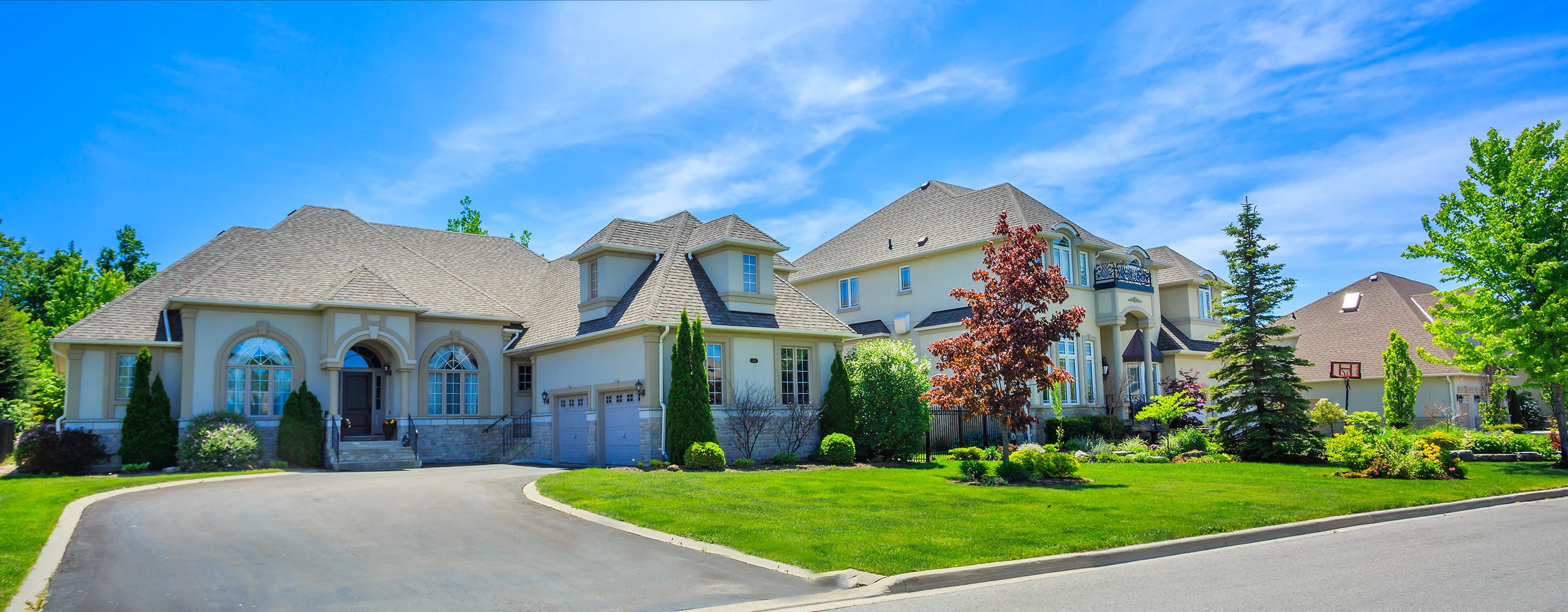
Roof Repair or Replacement: What to Know Before You Decide
The repair-or-replace decision weighs what a roof still has left against what it will cost to keep it. Almost every roof can be repaired, so the real question is whether a repair protects the home’s value or only delays a replacement. This guide covers whether to repair or replace a roof, how old is too old to repair, and how much damage justifies a new roof. It then compares what each option costs over time, lists the questions that should decide it for a particular home, and closes with what a rigorous roof appraisal includes, including insurance and the risk of replacing a roof too early.


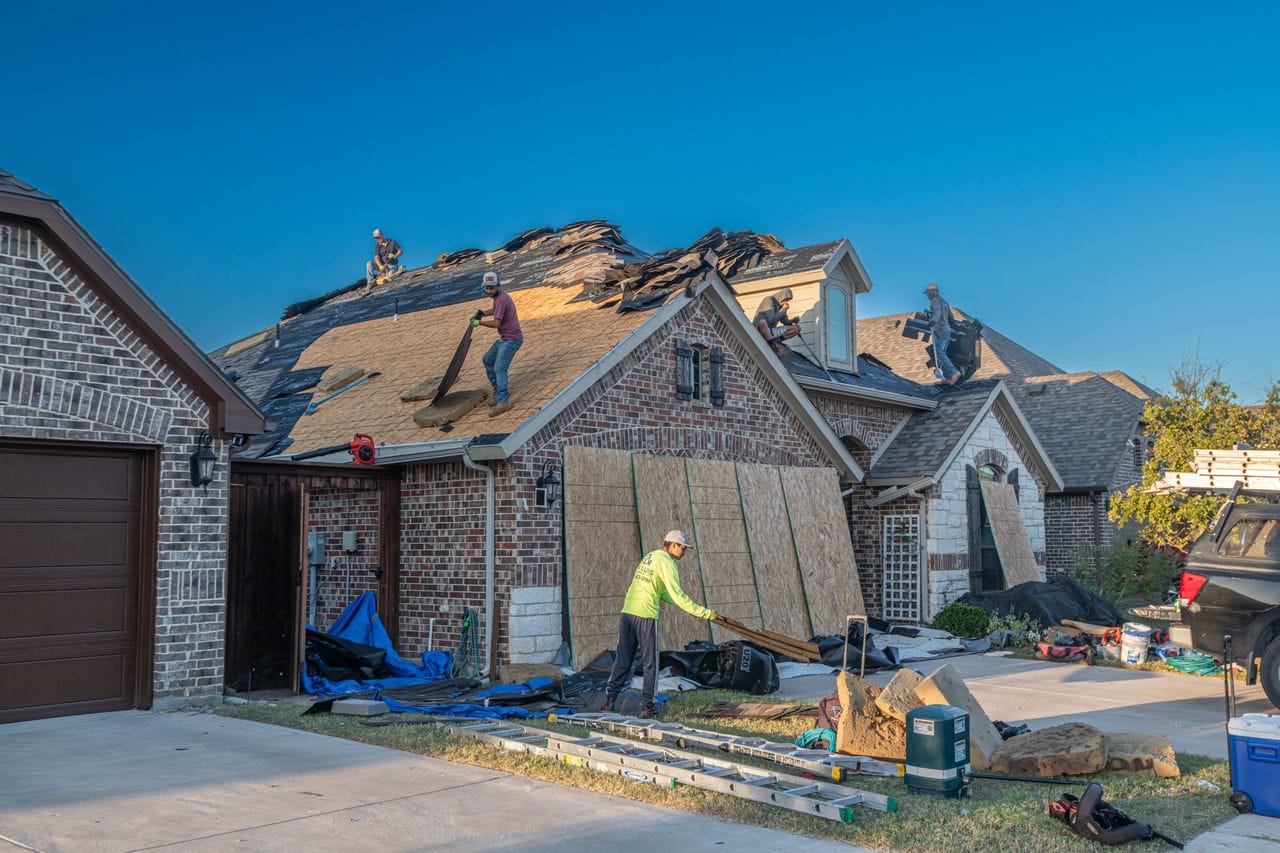
Should You Repair or Replace Your Roof?
Repair the roof when the damage is localized and the roof is in the first half of its life, and replace it when the damage is widespread, recurring, or structural, or when the roof is near the end of its life. That rule holds across Florida roof types, though the age that counts as the first half differs by material.
Almost every roof is technically repairable, in Don Campbell’s experience over 33 years in roofing, so the useful test is value rather than possibility. A repair that buys a young roof another decade is money well spent. A repair that buys an old roof one more season is money the owner will not get back. That test starts with an honest look at the roof, which is the first step of any roof repair in the Tampa Bay area.
How Old Is Too Old to Repair a Roof?
A roof is too old to repair economically when it has passed the point where repairs keep paying, and that point arrives at a different age for each roof type, as the following table shows.
| Roof type | Florida lifespan | When repairs usually stop paying (RAVASA Roofing field experience) |
|---|---|---|
| Asphalt shingle roof | 15 to 25 years | Around 10 years and older |
| Tile roof system | 25 to 50 years | Around 18 to 22 years |
| Residential metal roof | 40 to 70 years | Judged case by case |
This table shows that the point where repairs stop paying comes well before the end of a roof’s lifespan. Those ages are economic decision points, not lifespans: a well-kept roof can pass them, and a neglected one can reach them early.
Tile roofs show the gap most clearly. The tile can last far longer than the underlayment beneath it, and the underlayment decides when the system fails. The full picture is in our guide to tile roof lifespan in Florida. Shingle roofs age faster in Florida sun, which is covered in our guide to shingle roofs in Florida.
How Much Damage Justifies a New Roof?
A new roof is justified when the damage reaches beyond one area of the roof, and five signs usually mark that point:
Each sign points to a roof problem a repair cannot reach. The rule that governs larger storm repairs is explained in our guide to the 25 percent roof rule in Florida, and the replacement process itself is covered in our page on Tampa Bay roof replacement.
What Does Each Option Cost Over Time?
A repair costs less today and a replacement costs less per year of protection once a roof is past its prime, and no single percentage marks the crossover. Some guides advise replacing a roof once repairs reach 30% of the replacement price, while others use 50%.
A typical single roof repair in Florida costs $300 to $1,900, while a typical full replacement costs $10,000 to $35,000. Those ranges make a single repair look like the easy choice, but an aging roof rarely needs a single repair.
A large home in Tampa shows the math. The needed repairs came to $14,000, about 25% of the $60,000 cost of a new roof. The owners planned to stay for many years, and they chose the new roof rather than spend a quarter of its price on an aging one. Don Campbell sees the same pattern often on 20-year-old roofs: a repair solves today’s leak, and other valleys and vents on the same roof are likely to need similar work within a year or two.
Whether a figure such as $50,000 is a fair price for a new roof depends on the size of the home and the covering. Current repair prices are in our guide to what roof repairs cost in Florida, and replacement prices are in our guide to Florida roof replacement prices by material.
Which Questions Should You Decide For Your Home?
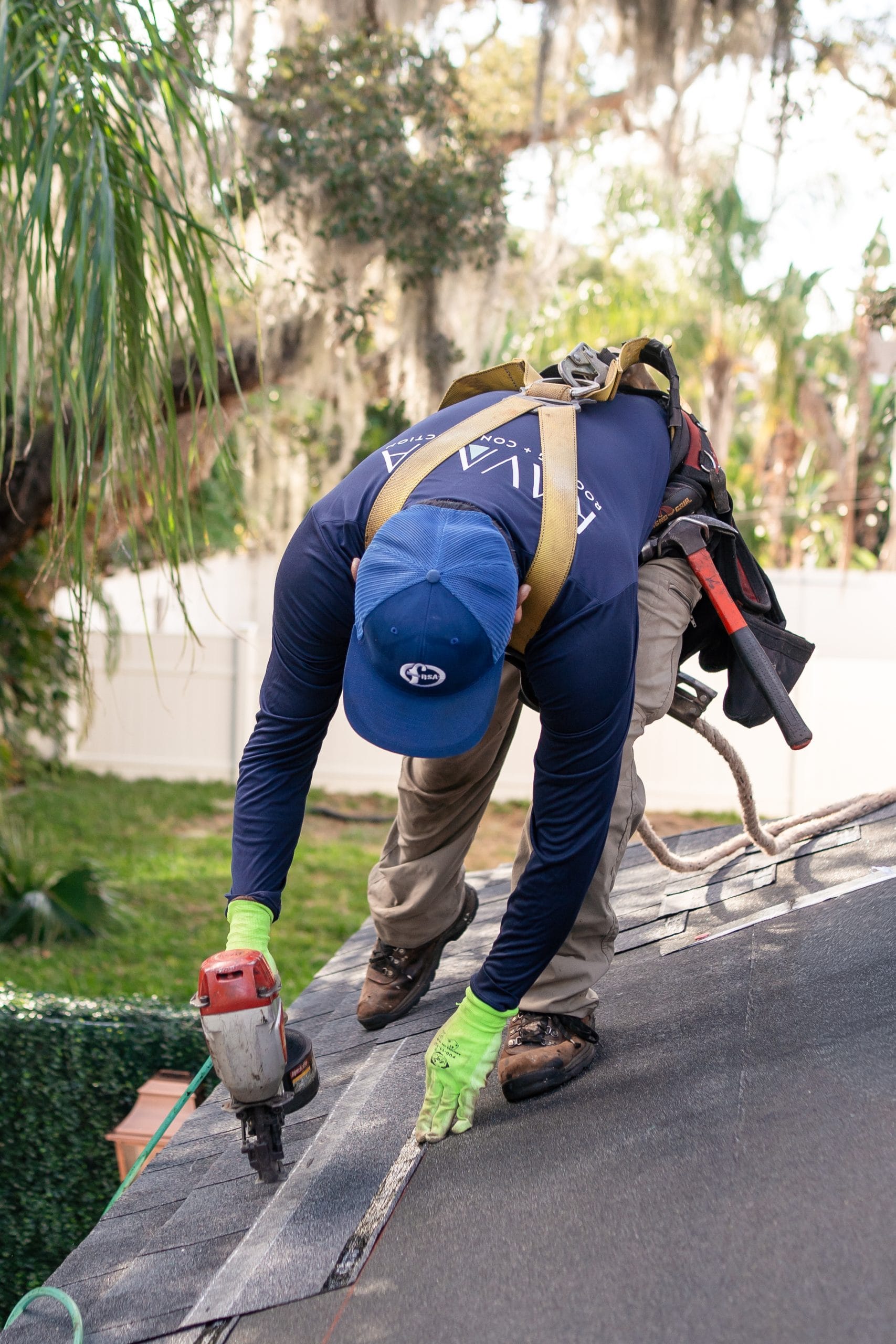
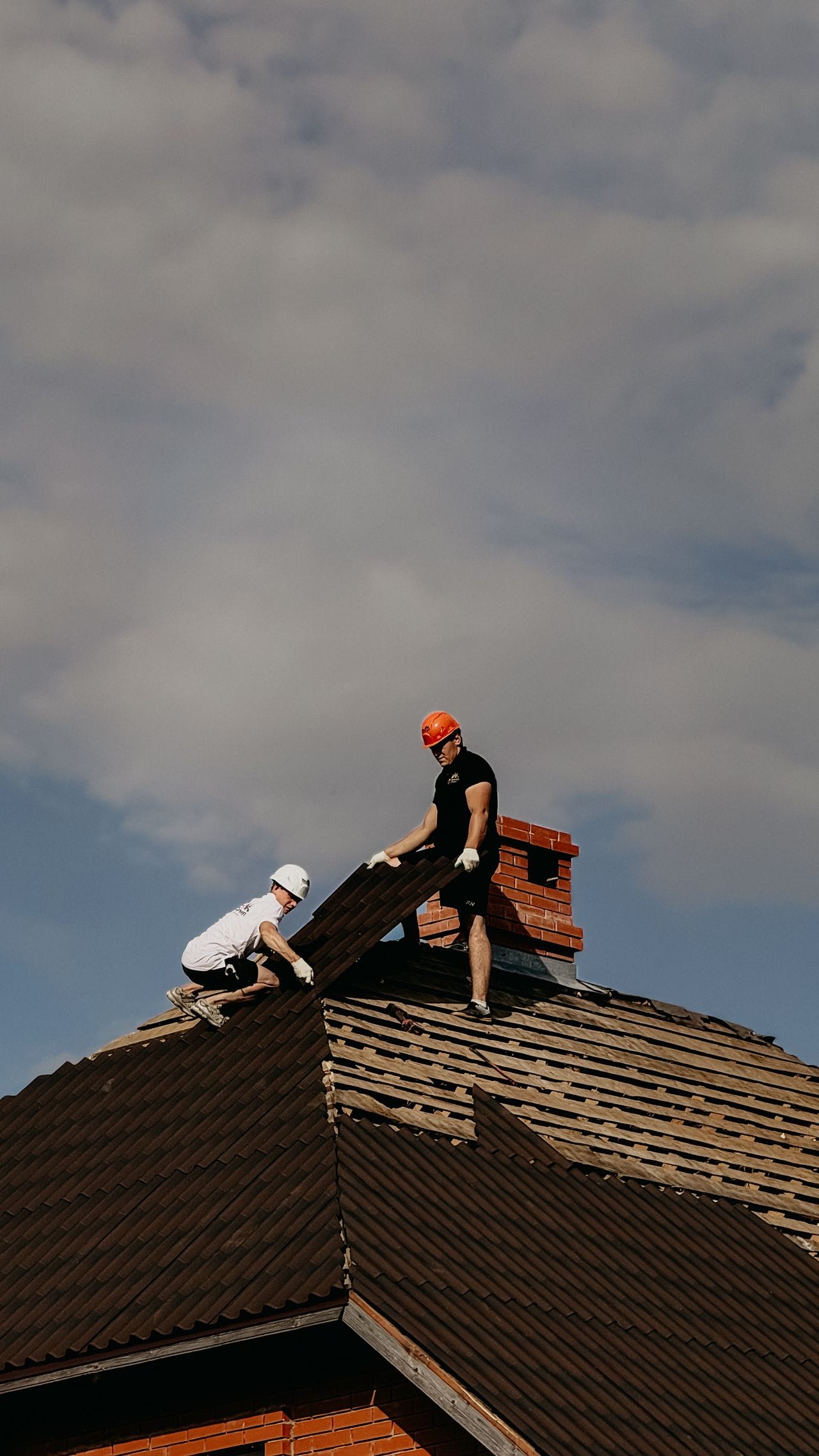
Five questions decide most repair-or-replace choices, and they come from the conversations Don Campbell has at homeowners’ kitchen tables:
- Is this your forever home? An owner who plans to stay gets every year of a new roof’s life, which favors replacement on an aging roof.
- When might you sell? An owner selling within a few years may favor a sound repair, while buyers and inspectors look hard at an old roof.
- What has the roof already cost in repairs? A rising repair history is the clearest sign the roof is past the point where repairs pay.
- What does your insurer require at renewal? Florida carriers commonly look closely at roofs around 15 years old, which can force the decision.
- What matters most to you in this project? Budget, appearance, and how long the owner wants to stop thinking about the roof each point to a different answer.
Most homeowners ask what Don would do in their place. His honest answer always starts with these five questions, because the same roof can call for a repair in one family’s plans and a replacement in another’s.
What Should a Rigorous Roof Appraisal Include?
A rigorous roof appraisal includes an inspection of the roof and the attic, a trace of the water path, a judgment on whole valleys and flashing runs, and a written statement of what is repairable.
The attic shows what the shingles or tiles hide: stained decking, daylight at penetrations, and the true path of a leak. Water runs downhill, then sideways, and changes direction at nails and seams, so a stain on the ceiling often sits far from where the water enters. A valley or a wall flashing that leaks at the bottom may be failing at the top, so a sound appraisal judges the whole run, not the wet spot. The appraisal should end with a written statement of what can be repaired and what cannot. Our page on a roof inspection explains what that visit covers.
Can a Roof Always Be Repaired?
A roof can almost always be repaired, but it is not always worth repairing. The repair that lasts is one rebuilt down to the roof deck rather than sealed on top, which is explained in our guide to bare-wood roof repair.
Does Roof Age Affect Your Homeowners Insurance?
Roof age can affect homeowners insurance in Florida, depending on the carrier. Many carriers look closely at shingle roofs around 15 years old and may require an inspection at renewal. Florida law bars a carrier from refusing coverage on roof age alone when an inspection shows at least five years of remaining useful life.
Can Replacing a Roof Too Early Be a Mistake?
Replacing a roof too early can be a mistake, especially when a door-to-door “free roof” offer drives the decision. A roof that is five or six years old rarely needs replacing, and premature claims raise insurance costs for every Florida homeowner. Our guide to free roof offers explains how those offers work.
