
Roof Repair in Tampa Bay: What to Know and How to Protect Your Roof
Roof repair, also called a roofing repair, restores a failed section of a roof to watertight condition without replacing the whole roof. Every Tampa Bay homeowner should know what a proper roof repair involves, because that knowledge protects the roof above them and the home beneath it. This guide explains what roof repair is, the most common repairs from flashing and valleys to chimneys, how a leak is repaired, and how tile, shingle, metal, and flat roofs are each repaired. It then covers what a repair costs, how fast it should happen, the warranty it should carry, and how to get a real estimate. It closes with the repair or replacement question and the Florida insurance and code rules that shape every roof repair in Tampa Bay.


What Is Roof Repair?
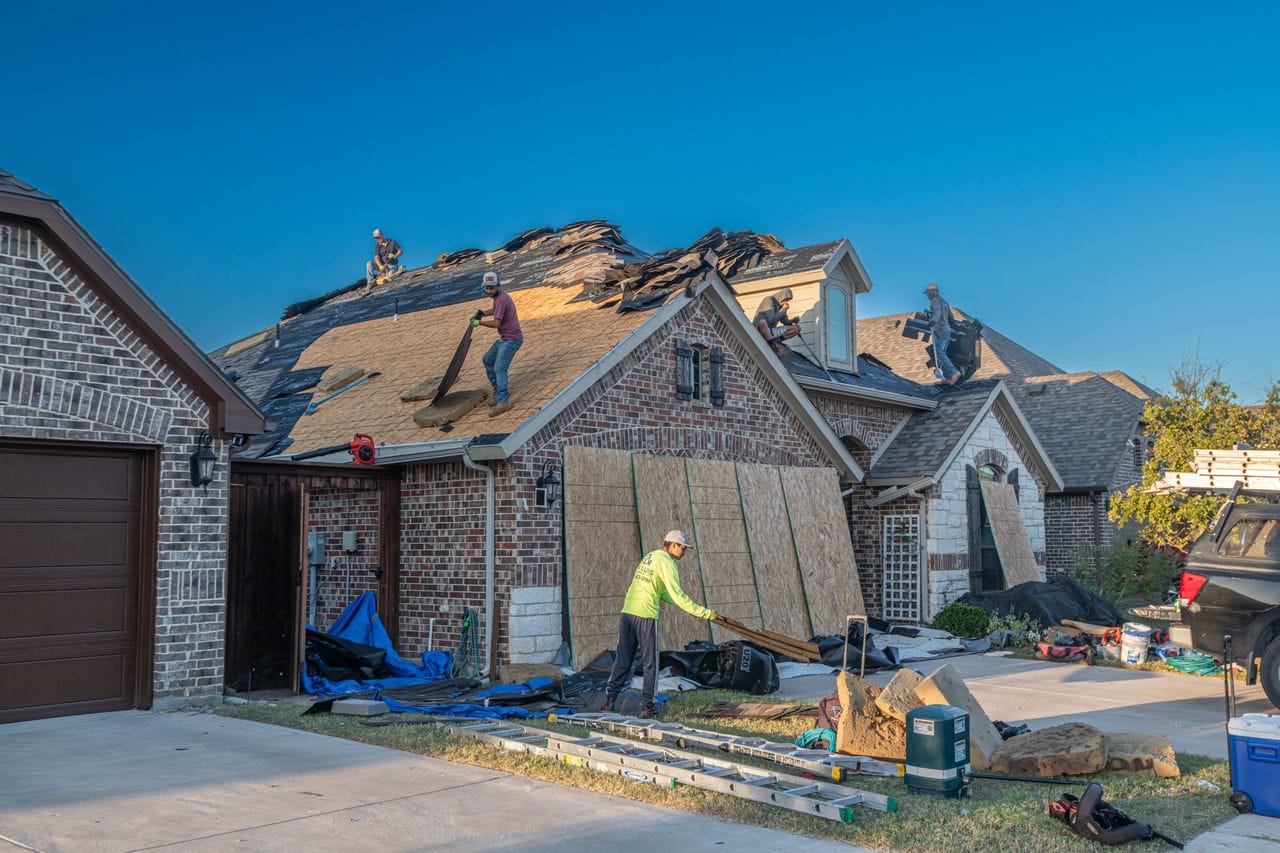
Roof repair is the work of restoring a failed section of a roof system, meaning the covering, the underlayment, and the flashing, to a watertight condition without replacing the whole roof.
Roof repairs come in two kinds. A topical repair puts caulk, roofing cement, or sealant on top of the roof covering without touching the layers underneath. A bare-wood repair removes the failed area “down to the bare wood” of the roof deck and rebuilds the underlayment, flashing, and covering, so that section of the roof is effectively new. RAVASA Roofing performs the second kind of roof repair. Why does the difference matter so much? A leak enters below the surface, and only a repair that reaches the deck reaches the leak, which is why the two roof repair methods produce such different results.
What Are the Most Common Roof Repairs?
The most common roof repairs in Tampa Bay are flashing, soffit and fascia, valley, skylight, pipe boot and vent, and chimney repairs. Six repairs account for most of the roof repair calls a homeowner will ever make:
These six roof repairs share one pattern: each sits where two materials meet, and each fails first where water is concentrated. The sections below explain how each repair is done properly.
Flashing Repair
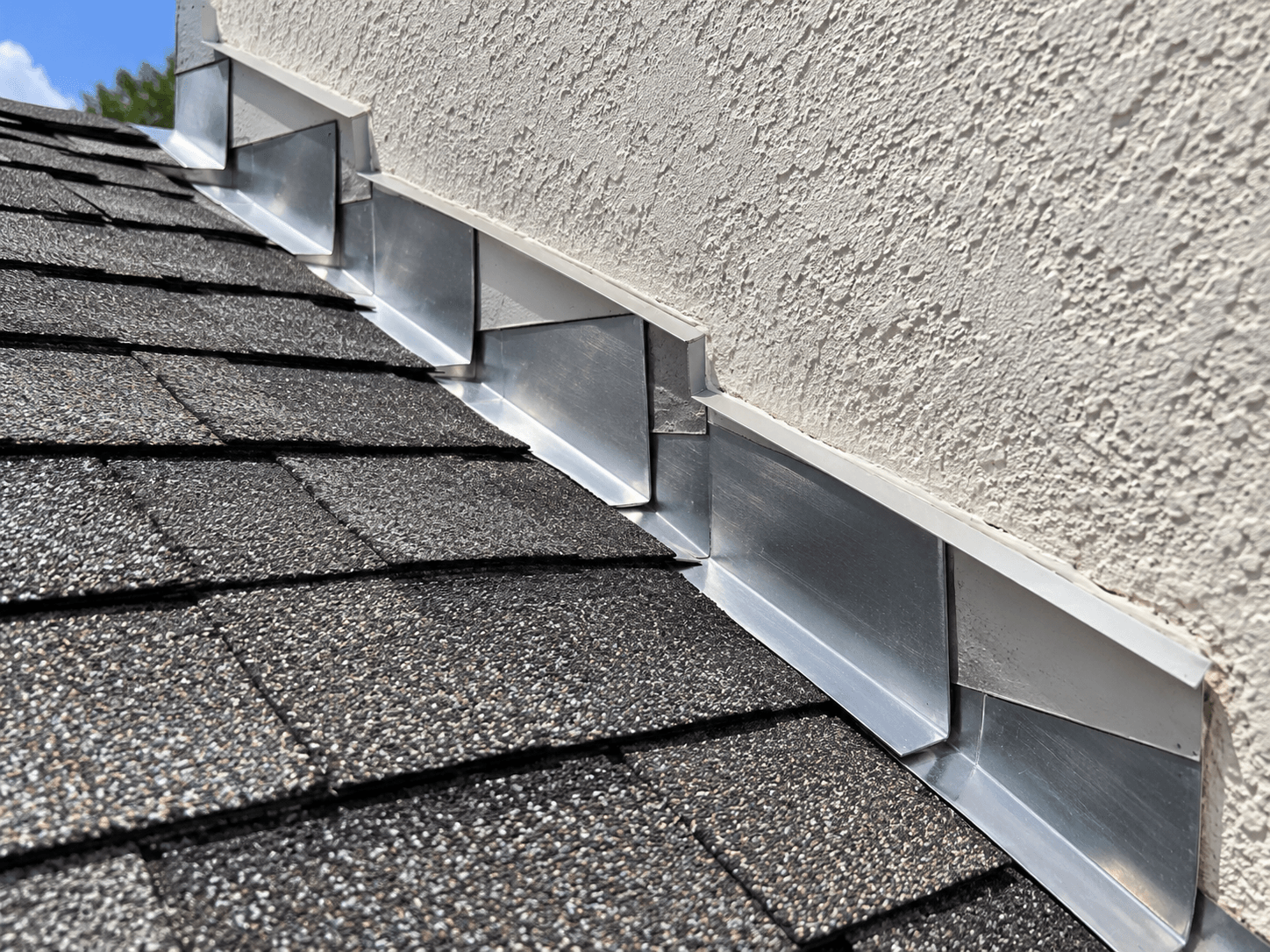
Flashing repair replaces the roof flashing that seals each transition on a roof, where the roof meets a wall, a chimney, or another roof plane. Water that enters at the top of a wall can travel down behind the flashing and appear at the bottom. For that reason, RAVASA Roofing replaces the full run of wall or step flashing from top to bottom, not only the section where the stain appears. Which kinds of flashing fail first on a Florida home? Our guide to roof flashing covers each type and the coastal corrosion that shortens its life.
Soffit and Fascia Repair
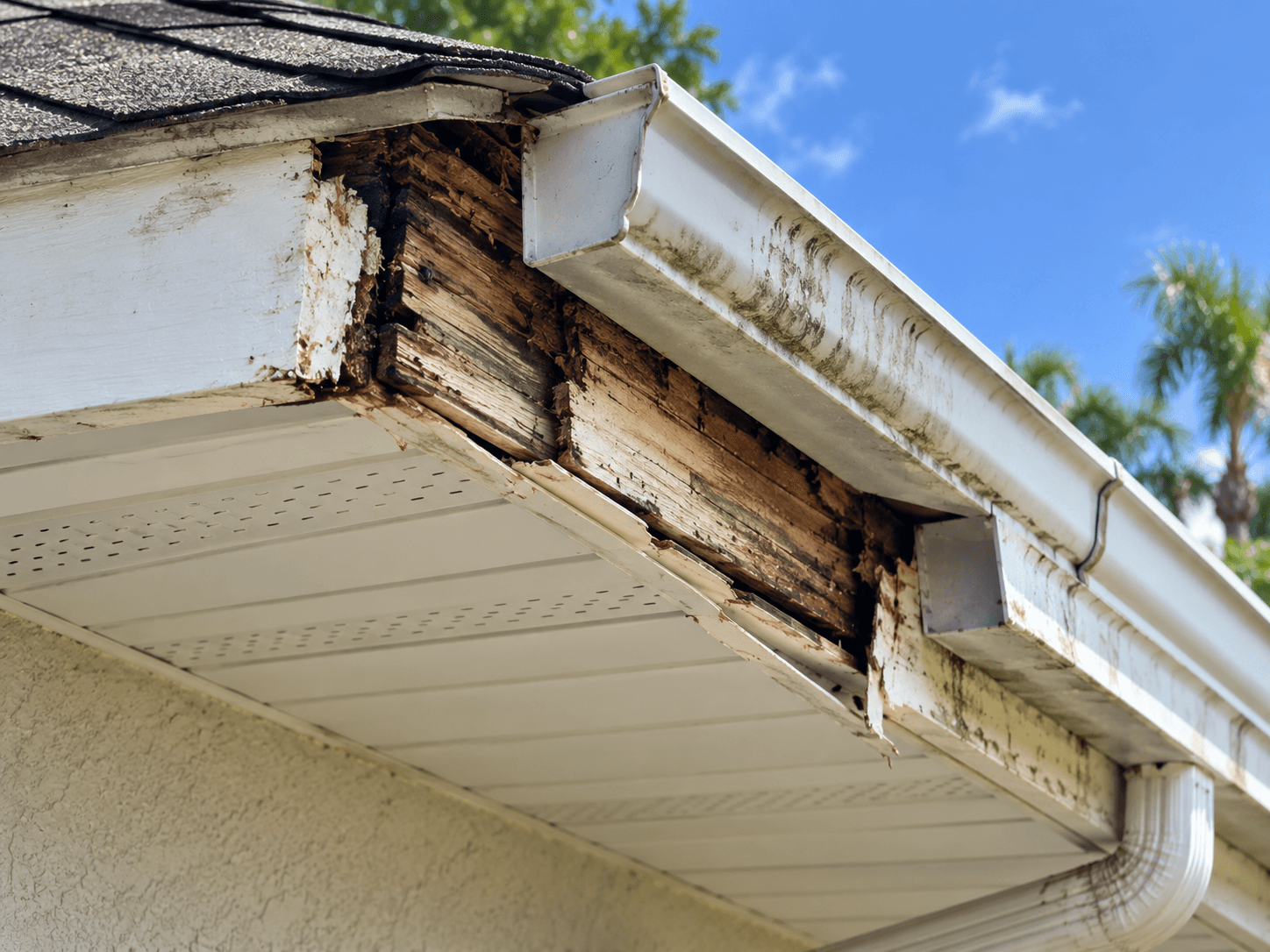
Soffit and fascia repair replaces rotted wood along the roof edge and corrects the water that rotted it. Rotted fascia is one of the most common reasons a homeowner first calls a roofer. The wood usually rots from water running behind the drip edge or a gutter. A lasting repair replaces the damaged boards and then fixes the water path, because new wood placed in the same water rots the same way.
Valley Repair
Valley repair rebuilds the channel where two roof slopes meet, from the roof deck up. Roof valleys carry more water than any other part of a roof, so roof valley leaks are among the most frequent repairs. A valley often leaks at the top and shows the stain at the bottom. RAVASA Roofing therefore rebuilds the entire valley rather than patching the lower end. For the causes and costs of roof valley leaks, see our valley guide.

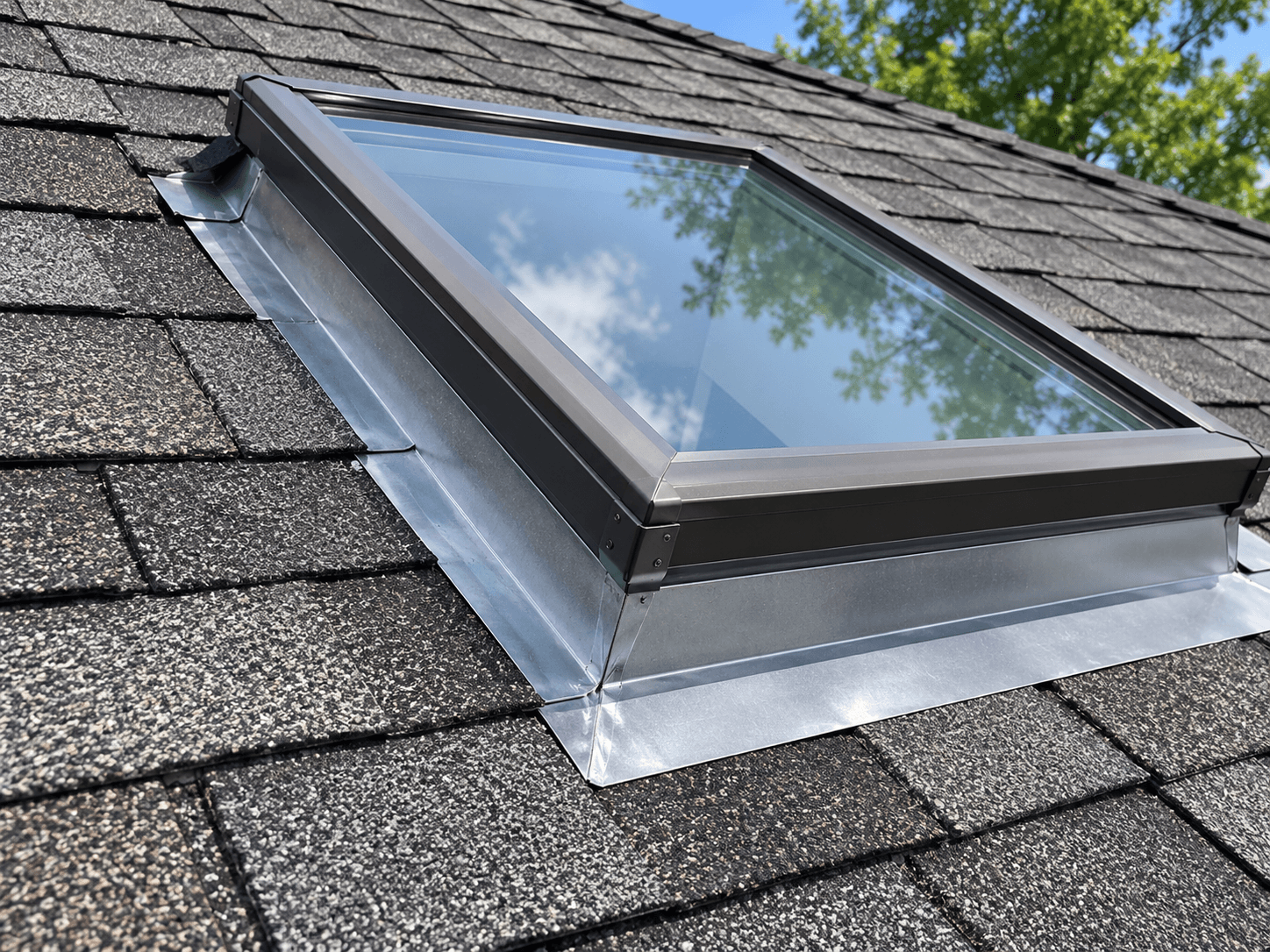
Skylight Leak Repair
Skylight leak repair rebuilds the flashing and underlayment around the skylight curb, where most skylight leaks begin. Skylights rarely leak through the glass itself. The water usually enters where the curb meets the roof, on shingle and tile roofs alike. A proper repair removes the surrounding covering, renews the underlayment, and reflashes the curb.
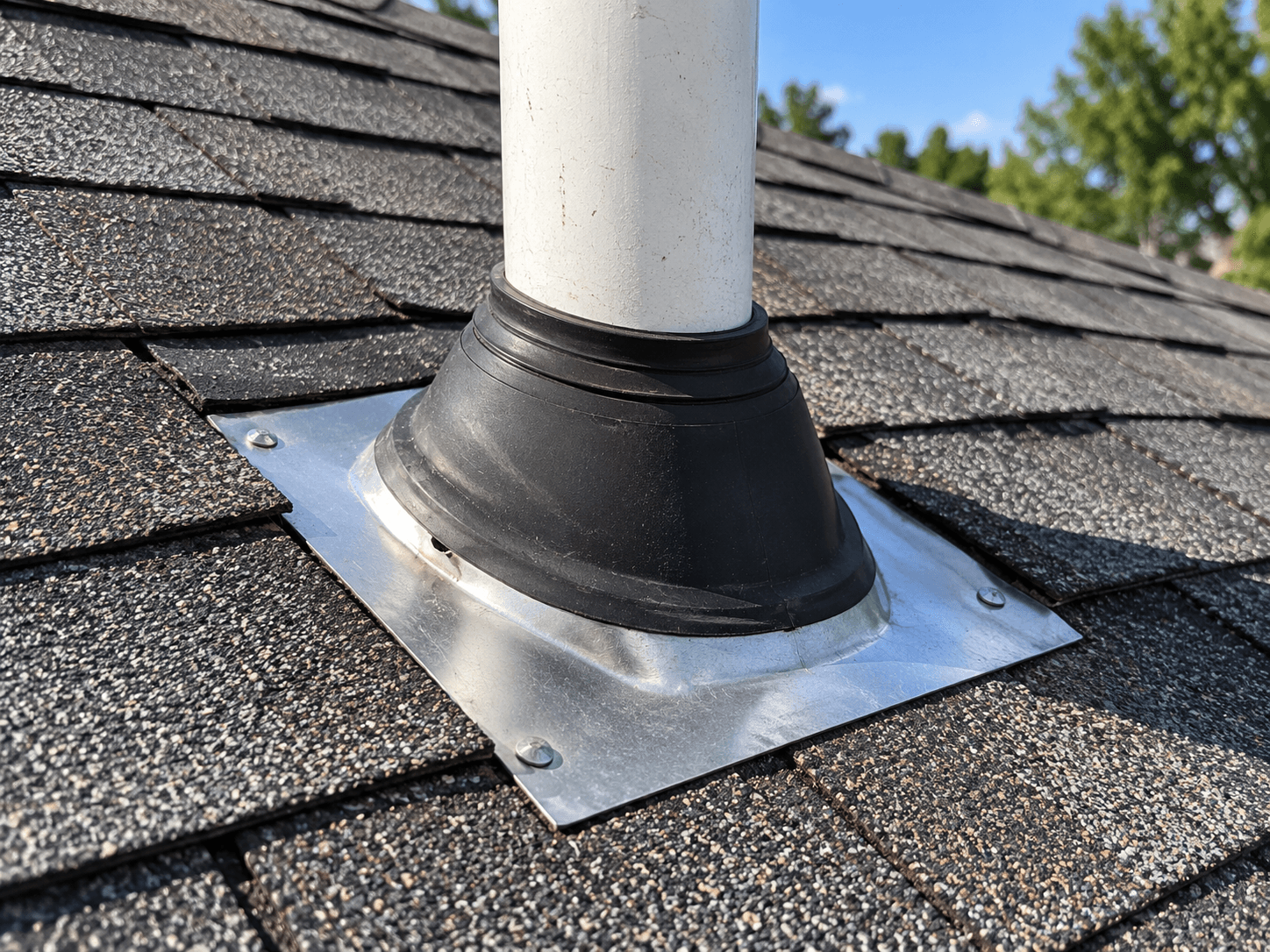
Pipe Boot and Vent Repair
Pipe boot and vent repair replaces the boot or seal around a roof penetration and the underlayment beneath it. Lead boots and vent seals age in the Florida sun and eventually split or separate. Replacing the boot alone leaves damaged underlayment in place, so a lasting repair renews both layers around the penetration.
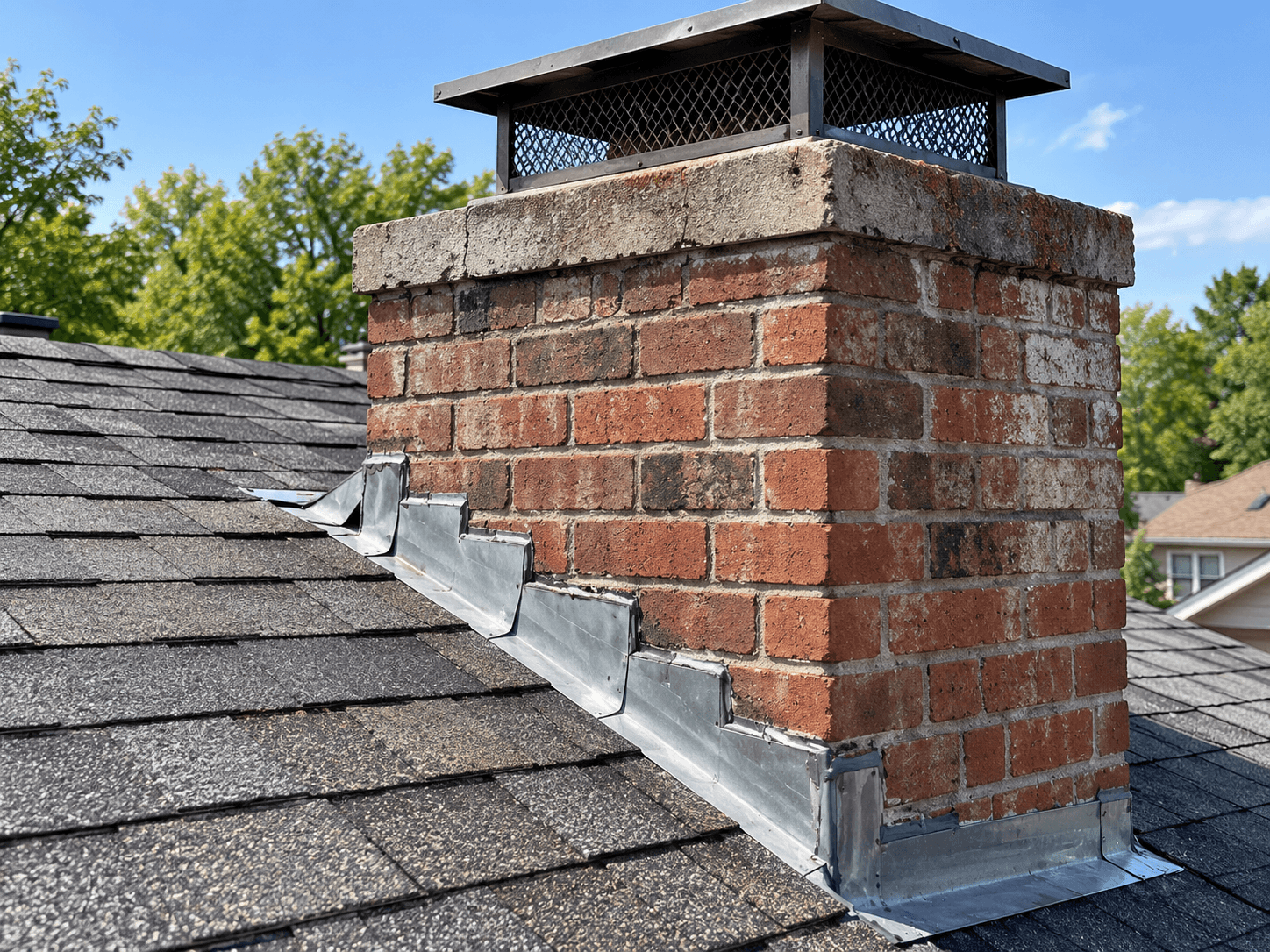
Is a Chimney Leak Always a Roof Leak?
No, a chimney leak is not always a roof leak. In our experience, chimney caps, the wood framing inside a chimney chase, and stucco siding often leak and present inside the home as a roof leak. Sometimes the roof and the chimney both leak. RAVASA Roofing diagnoses these leaks as both a builder and a roofer, so the homeowner learns which structure is failing before paying to repair it.
How Are Roof Leaks Repaired?
Roof leaks are repaired where the water enters the roof, which is rarely where it appears inside the home. A proper roof leak repair starts with diagnosis: an inspection of the ceiling or wall where the water shows, then the attic, then the roof itself.
Why does the water show up far from the leak? The answer is to “think like water.” Water runs downhill, then sideways, and a single nail can turn it in a new direction, so a stain can appear several feet from the point of entry. Knowing how to find a roof leak means tracing that path back to its source before any repair begins.
Once the entry point is found, the failed area is rebuilt down to the deck. Our page on roof leak repair explains the full process, and our guide on how to find a roof leak walks through the diagnostic steps. To see why water travels the way it does, read think like water.
How Is Each Type of Roof Repaired?
Each type of roof is repaired according to where it usually leaks, so a tile repair, a shingle repair, and a metal repair look very different. Each roof type fails in its own places, and the table below shows where:
| Roof type | Where it usually leaks | How RAVASA Roofing repairs it |
|---|---|---|
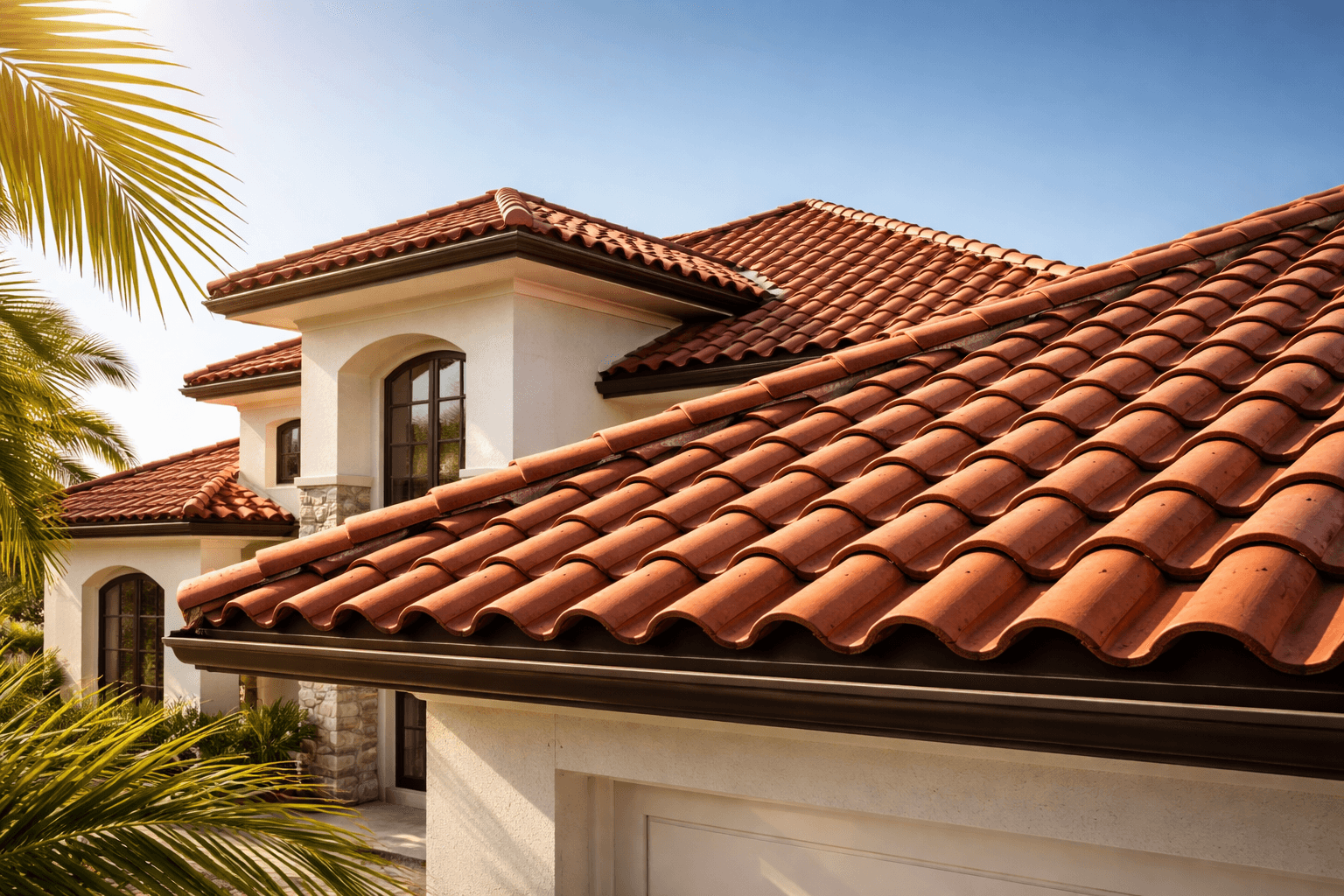
| Tile roof | Under the tile, through the underlayment | Tile roof repair lifts the tile, rebuilds the underlayment, and resets the tile. |
| Shingle roof | Flashing, fasteners, and storm-lifted shingles | Shingle roof repair rebuilds to the deck and puzzles new shingles into the field. |
| Residential metal roof | Standing seam roofs rarely leak at all | Metal roof repair addresses flashing and penetrations, not the panels. |
| Flat Florida-room roof | Ponding water on a low slope | Flat roof repair runs about $2,500, against about $5,000 to $6,000 for a new flat roof. |
| Commercial metal roof | Exposed fasteners and fiberglass skylights | Commercial roof repair replaces failed fasteners and skylight panels. |
This table shows why a roof repair begins with the roof type. On a tile roof, the leak is almost always under the tile, which is why tile roof repair works below the tile and why our guide to tile roofing treats the underlayment as the real roof. Shingle roofs need rebuilds, not caulk, as our page on shingle roof repair explains. In our experience, standing seam metal roofs almost never leak, while the exposed-fastener metal on commercial buildings leaks often. Small low-slope roofs often cost nearly as much to repair as to replace, a tradeoff covered in our guide to flat roofs on Florida rooms. Warehouse and retail owners can read about commercial roof repair in Tampa Bay.
How Much Does Roof Repair Cost?
Roof repair in Florida typically costs $300 to $1,900 for a single repair, and the price depends on how far the damage reaches below the surface. In our experience, topical patches are commonly sold for $300 to $500. RAVASA Roofing’s bare-wood repairs on shingle roofs start at $1,250, because the work rebuilds the underlayment and flashing rather than covering them. The roof type, access to the damaged area, and the condition of the deck drive every roof repair cost. Our guide to roof repair costs in Florida breaks the ranges down by repair type.

How Fast Should a Roof Repair Happen?
A roof repair should be scheduled within a day or two of the first call, because water damage spreads every time it rains. RAVASA Roofing makes contact the same day a homeowner calls and schedules the repair appointment for the next day. In our experience, many companies promise only a sales callback within 24 to 72 hours, and homeowners often call 7 to 10 roofers to get one written repair estimate. Many of our repairs are estimated and completed within about three days of the first call. When a roof is open to the weather, emergency roof repair protects the home first. Our page on emergency roof repair and tarping in Tampa Bay explains that service.
What Warranty Should a Roof Repair Carry?
A roof repair should carry a written warranty on the repaired section, and every RAVASA Roofing repair carries at least one year. The warranty transfers to a new owner if the home sells. The deeper protection is the method itself: a section rebuilt down to the deck is effectively new and should not leak again. The warranty covers the repaired section, not the rest of an aging roof, so a sound repair warranty never promises more than the repair touched.
How Do You Get a Real Roof Repair Estimate?
You get a real roof repair estimate from a roofer who inspects the roof and the attic and writes down exactly what failed and how it will be rebuilt. A complete roof repair estimate includes five things:
- A roof repair estimate names the entry point of the leak, not only the stain.
- A roof repair estimate records interior and attic findings.
- A roof repair estimate includes photos of the damaged area.
- A roof repair estimate states the scope of work to the deck and the materials.
- A roof repair estimate states the warranty in writing.
In our experience, repair estimates often go unanswered because commission-paid sales roles earn little on a repair compared with a new roof. A thorough roof inspection is where an honest estimate begins, as our page on roof inspection describes. For the questions to ask before hiring, see how to choose a roofing contractor.

Should You Repair or Replace Your Roof?
You should repair your roof when the repair restores the system at a sensible cost, and replace it when repair costs keep crossing that line. Almost every roof is repairable; the question is economic. In our experience, repair costs commonly cross that line on shingle roofs around 10 years old and on tile roofs between 18 and 22 years old. Those are decision points, not lifespans. On a large home in Tampa, a needed repair of about $14,000, roughly a quarter of the cost of a new roof, was weighed against a re-roof of about $60,000. The owners asked whether this was their forever home, and they chose the new roof. Our framework for roof repair or replacement walks through that decision, and our page on roof replacement in Tampa Bay covers the next step.
What Should Tampa Bay Homeowners Know Before Repairing a Roof?
Tampa Bay homeowners should know that insurance coverage, the Florida Building Code, and the contractor’s location all shape a roof repair. Homeowners insurance covers sudden storm damage, but standard policies exclude wear and tear, deferred maintenance, and faulty workmanship. Our guide, Does Homeowners Insurance Cover Roof Leaks?, explains what policies pay for.
The Florida Building Code requires a roof section to be brought up to current code when more than 25 percent of it is repaired or replaced within 12 months. Since 2022, roofs built or last replaced under the 2007 code or later need only the repaired portion brought up to current code. Our guide to the 25 percent roof rule in Florida covers both rules.
A local roofer stays accountable after the storm passes. A contractor who lives in the community is still there when a warranty question comes up.
Can You Repair Just Part of a Roof?
Yes, you can repair just part of a roof. A partial roof repair lasts when the section is rebuilt to the deck, the materials can be matched, and the work stays within the 25 percent rule where that rule applies.
Will RAVASA Roofing Repair a Roof Another Company Installed?
Yes, RAVASA Roofing repairs roofs that other companies installed. In our experience, some homeowners call after the original installer declines to service a newer roof. A leak deserves a diagnosis regardless of who installed the roof.
What Is the Cheapest Way to Repair a Roof?
The cheapest roof repair today is a topical patch, which, in our experience, is commonly sold for $300 to $500. The patch treats the surface, not the point where water enters, so the leak commonly returns. The homeowner then pays for the same roof repair twice, and the second repair often costs more because the water has spread.

