

Tile Roof Underlayment: The Real Roof Under Your Tile
Tile roof underlayment, also called the roofing membrane, is the waterproof layer installed on the roof deck beneath the tile, and it is “the real roof” that keeps water out of a home. Underlayment comes in three types, goes down in one or two layers, and lasts 20 to 30 years in Florida, far less than the tile above it. When the membrane ages, a tile roof shows predictable signs of failure, and the choice between tile roof repair and full replacement depends on the membrane’s lifespan, condition, and replacement cost. Florida’s storms, building code, and insurers make the underlayment the part of a tile roof every owner should know.


What Is Tile Roof Underlayment?
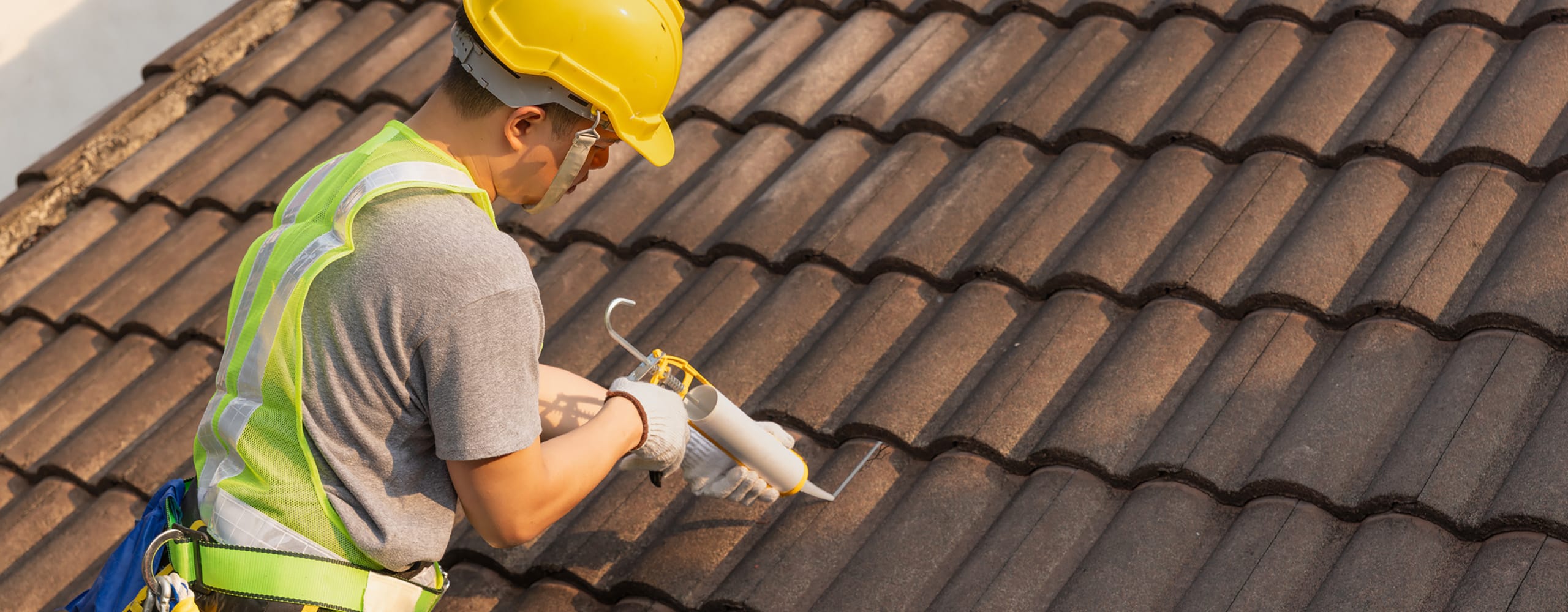
Tile roof underlayment is the waterproof membrane installed on the roof deck beneath the tile, where it stops the water that gets past the tile. The tile sheds most of the rain and shields the membrane from sun; the underlayment keeps the roof deck dry.
A tile roof is designed to let some water travel under the tile, especially in wind-driven rain. That water runs down the underlayment to the eaves. Tile roofing works as a system for exactly this reason: the tile on top lasts for decades, but the home stays dry only as long as the membrane underneath holds. Our guide to tile roofing explains how each layer of the system fits together.
What Are the Types of Tile Roof Underlayment?
Tile roof underlayment comes in three types: asphalt-saturated felt, synthetic underlayment, and self-adhered peel and stick underlayment.
These three types of tile roof underlayment differ in how they attach to the deck and how they handle Florida heat. Felt and synthetic depend on fasteners, while self-adhered membrane seals itself to the deck, which is why it serves as the strongest secondary water barrier. Our guide to roofing underlayment types compares the same materials across shingle, metal, and tile roofs.
Does Clay Tile Need Different Underlayment Than Concrete Tile?
Clay tile and concrete tile use the same types of tile roof underlayment; what differs is weight and attachment. Concrete tile is heavier and is usually set in foam on a fleece-backed membrane on regular-pitch roofs. Clay tile is lighter and is more often fastened mechanically, including the pan-and-cover style, which suits a smooth self-adhered membrane under battens. The clay tile and concrete tile underlayment choice therefore follows the tile, the pitch, and the attachment method. RAVASA Roofing installs both concrete and clay tile, including pan-and-cover and imported clay.
How Many Layers of Underlayment Does a Tile Roof Need?
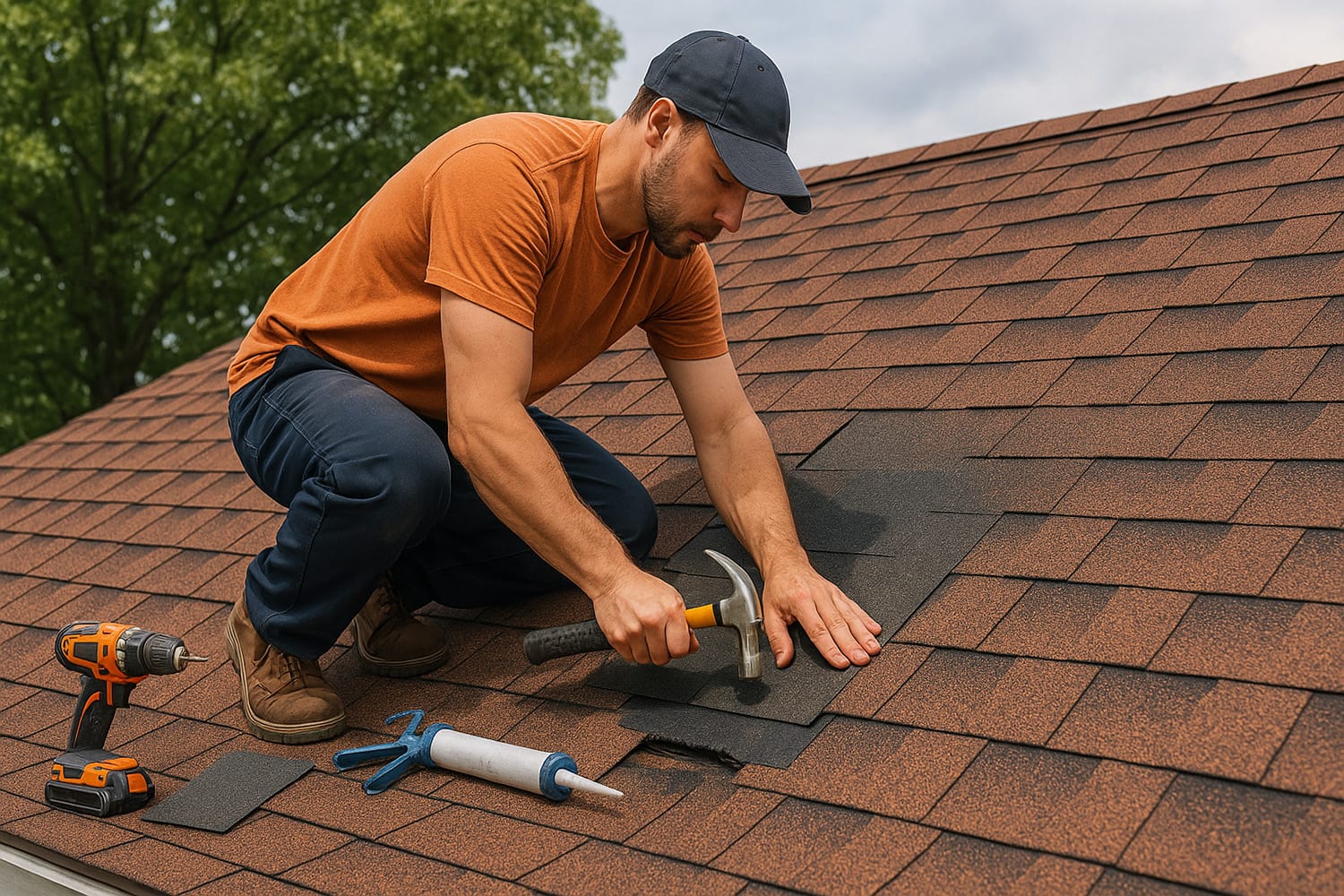
A tile roof needs the underlayment the Florida Building Code requires for its slope, and many tile roofs perform far better with two layers than with one. The code sets the minimum; the number of layers on a given roof also depends on its pitch and attachment method.
In Don Campbell’s experience, about 99 out of 100 roofing companies install a single fleece-backed layer under tile. RAVASA Roofing builds a two-ply system instead, in this order:
- A smooth peel and stick underlayment bonded directly to the plywood deck.
- All flashing and ventilation installed on that first layer.
- A second, fleece-top self-adhered layer over the first and around every penetration.
- A third-layer patch at lead boots, vents, pipes, and valleys, the spots most prone to leaks.
Don describes a two-ply roof built this way as one that, done properly, should not leak; in his experience the tile foam and mortar wear out long before the membrane. That result depends on the installation, which is why our guide to tile roof installation matters as much as the material.
This diagram shows the two membrane layers and penetration targets on a tile roof deck.
How Long Does Tile Roof Underlayment Last?
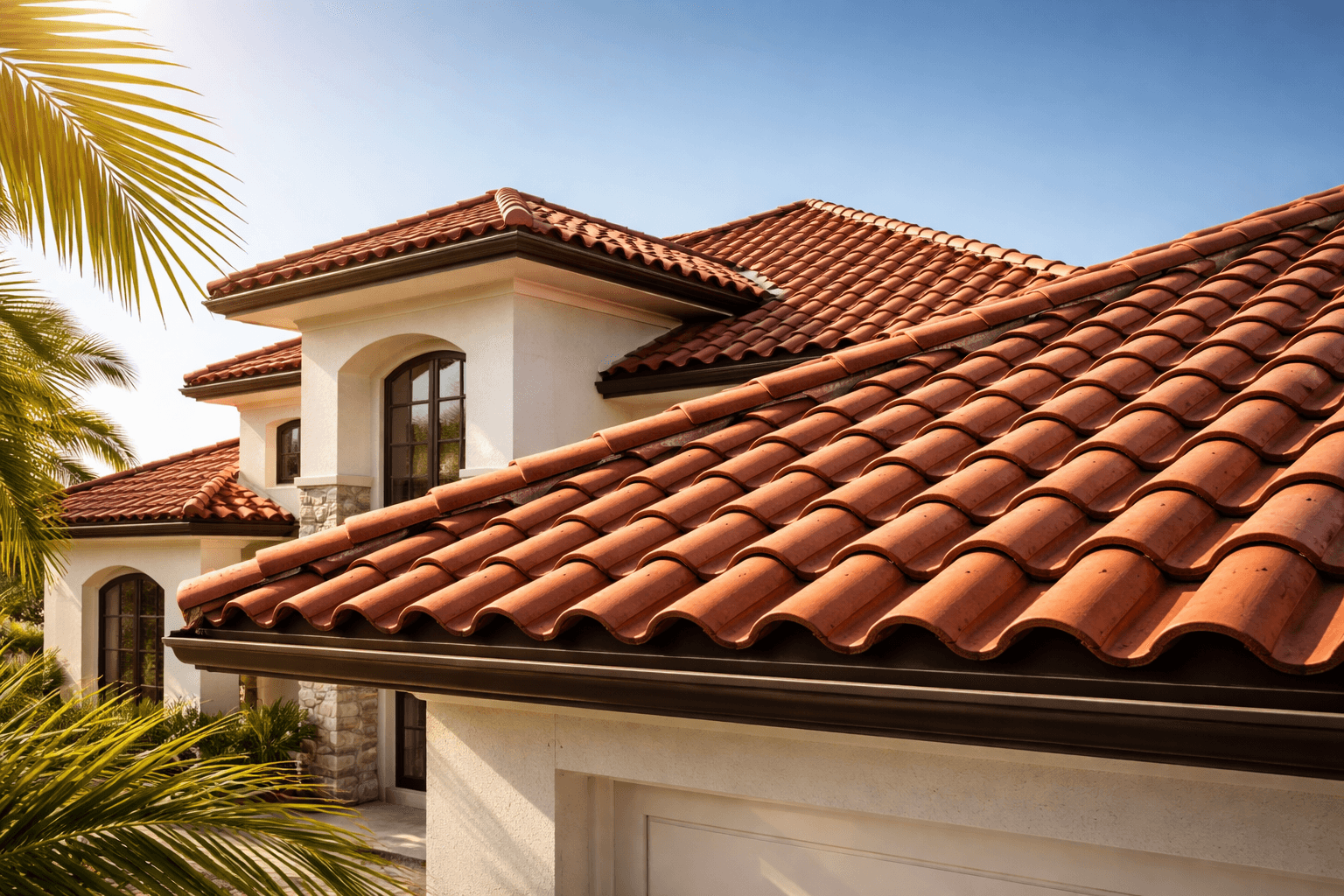
Tile roof underlayment lasts 20 to 30 years in Florida, while the tile above it lasts much longer. Roofing contractors across the state publish the same 20-to-30-year range, and Florida’s heat and humidity are the reason the membrane sits at the lower end of national estimates.
How can concrete tile last 75 years while the roof fails at 22? Concrete tile lasts 50 to 75 years and clay tile 75 to 100 years or more, but the tile roof system lasts 25 to 50 years in Florida because the system fails when the membrane fails. A tile roof most often leaks around the 25-year mark because the underlayment, flashing, or fasteners have worn out while the tile is still sound.
That mismatch between tile life and membrane life is the most important fact about a tile roof’s lifespan. Our guide to how long does a tile roof last in Florida covers the full timeline and what maintenance adds.
Why Do Tile Roofs Fail at 20 to 25 Years?
Tile roofs fail at 20 to 25 years because the underlayment beneath them has reached the end of its 20-to-30-year life. In 33 years of roofing, Don Campbell has watched many roofs from this era fail for a specific reason: first-generation peel and stick membranes and first-generation tile foam adhesives broke down earlier than expected. Newer generations of both products last longer and hold tile more securely, so a roof built today may not follow the same timeline.
What Are the Signs of Underlayment Failure?
Underlayment failure shows up as a set of warning signs, from early to urgent.
- Fleece or debris in the gutters (early): fragments of membrane washing off the tile roof mean the underlayment is breaking down.
- Slipped or shifted tiles (early): tiles that slide often signal failed foam adhesive on an aging tile roof membrane.
- Age past 20 years (early): a tile roof underlayment of that age deserves an inspection even without symptoms.
- Ceiling stains with no broken tile (urgent): water is getting through the underlayment even though the tile roof looks intact.
- Leaks under intact tile (urgent): active leaks beneath sound tile mean the membrane has failed at that spot.
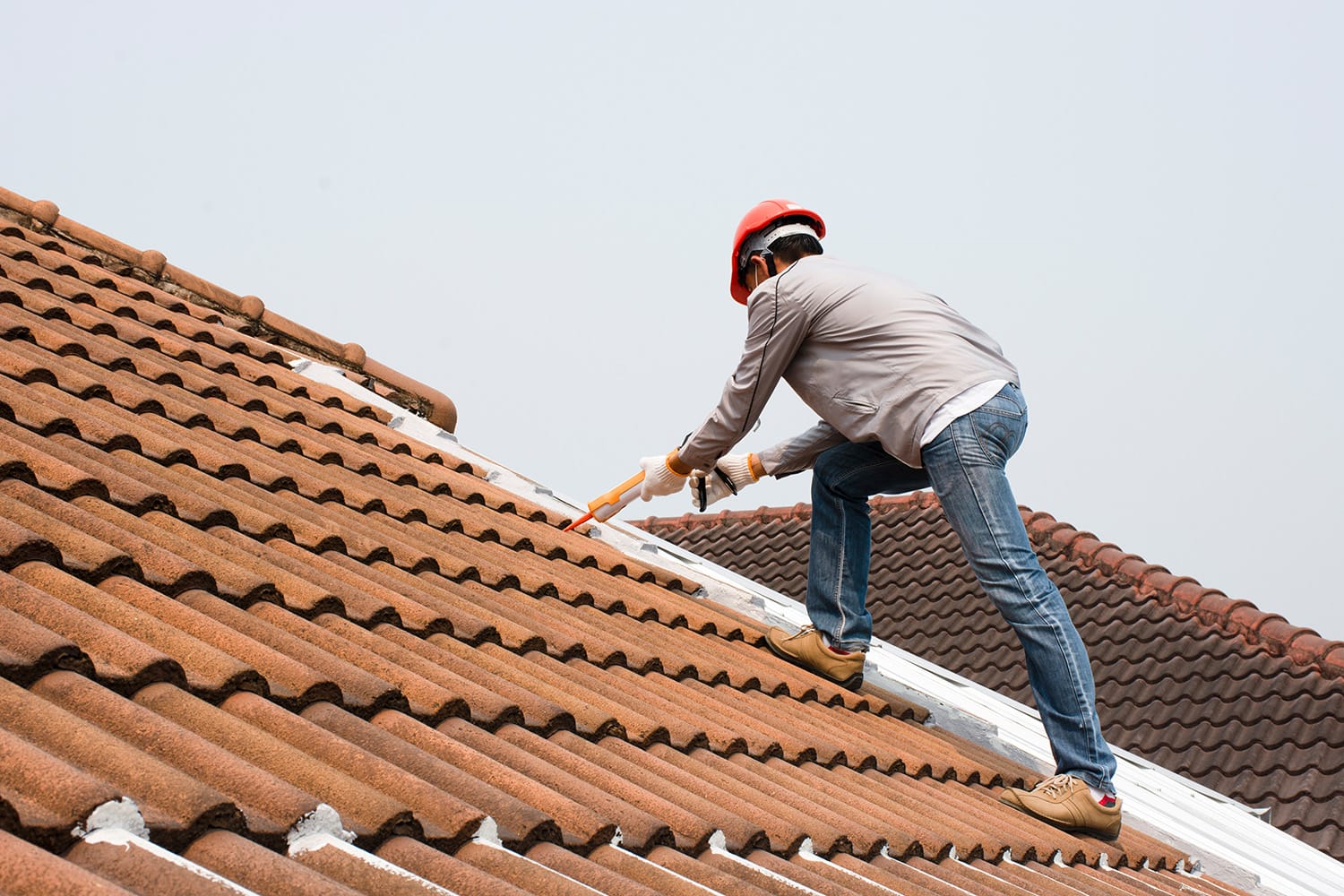
Urgent signs need a repair that lifts the tile, replaces the failed membrane to the deck, and relays the tile, rather than caulk on the surface. Our page on tile roof repair explains how that repair is done.
How Much Does Underlayment Replacement Cost?
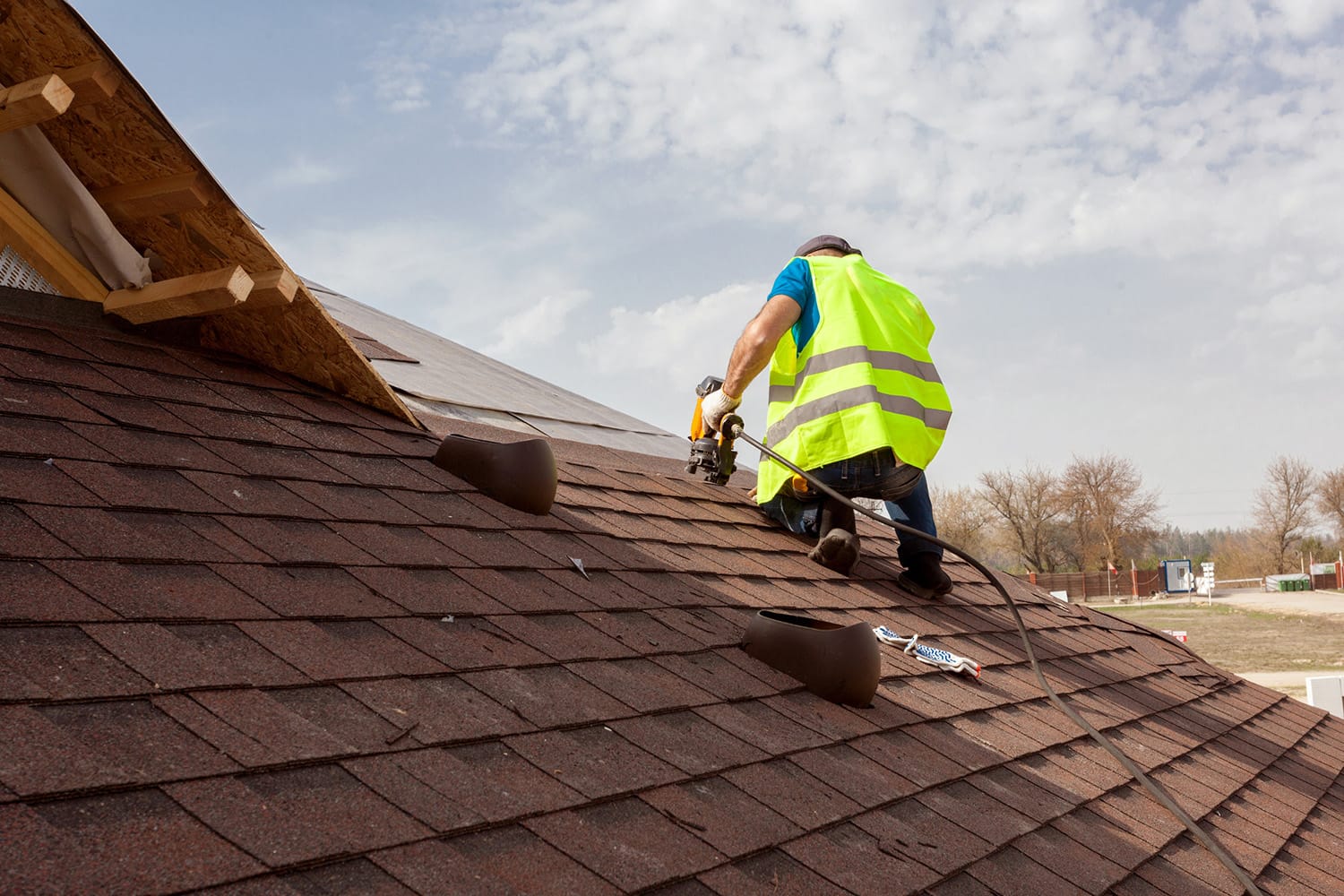
Underlayment replacement cost depends on labor, tile condition and breakage, how much matching replacement tile is needed, and whether the new membrane is single-ply or two-ply. Replacing underlayment on a tile roof usually means lifting the tile, removing the old membrane, installing new underlayment, and relaying the tile, a process called lift-and-relay.
Lift-and-relay sounds like it should save money because the tile is reused. In Don Campbell’s experience, removing, cleaning, and relaying tile is labor-heavy enough that it is rarely cheaper than installing new tile, except on imported or custom clay roofs. The full price picture, including when replacing only the membrane makes sense, is on our page about tile roof underlayment replacement cost in Florida.
What Should You Know About Underlayment on a Florida Tile Roof?
Florida asks more of tile roof underlayment than almost any other state, through hurricanes, building code, and insurers. Hurricane wind lifts water under the tile, so the membrane takes the full force of wind-driven rain. The Florida Building Code treats the underlayment as the roof’s secondary water barrier, and insurers credit a sealed secondary water barrier on wind mitigation inspections. On waterfront homes, salt air corrodes metal flashing faster, which puts more load on the membrane around it.
Can You Replace Underlayment Without Replacing the Tile?
Yes, you can replace tile roof underlayment without replacing the tile, through lift-and-relay. Two conditions apply: the existing tile must be intact enough to reuse, with matching tile available for breakage, and the labor often makes relaying cost about as much as new tile. Older roofs can sometimes be matched with discontinued roof tile from salvage yards.
Does a Tile Roof Need Underlayment?
Yes, a tile roof needs underlayment. The Florida Building Code requires an underlayment beneath roof tile, because the tile alone is not a watertight covering.
Does Insurance Care About Underlayment Age?
Insurance can care about underlayment age, depending on the carrier. Many Florida insurers judge a tile roof by its age, and some misread a sound tile roof as old because the tile looks original even when the membrane was replaced. Documentation of a newer underlayment can help a homeowner answer those questions. Don once stood on a concrete tile roof with an out-of-state adjuster who called it shingles, which shows how much documentation matters. Our guide to roof age and insurance explains how carriers apply roof age.
What Is the Best Underlayment for a Tile Roof?
The best underlayment for a tile roof in Florida is a self-adhered membrane, and two layers outperform one, as long as the pitch, attachment method, and code allow it. Polyglass and other major manufacturers make self-adhered membranes rated for tile. The weakest choice under Florida tile is a single layer of mechanically fastened synthetic underlayment, because every fastener opens the membrane and nothing backs it up. The tile on a Florida roof will outlast the membrane either way, so the underlayment is the real decision.
