
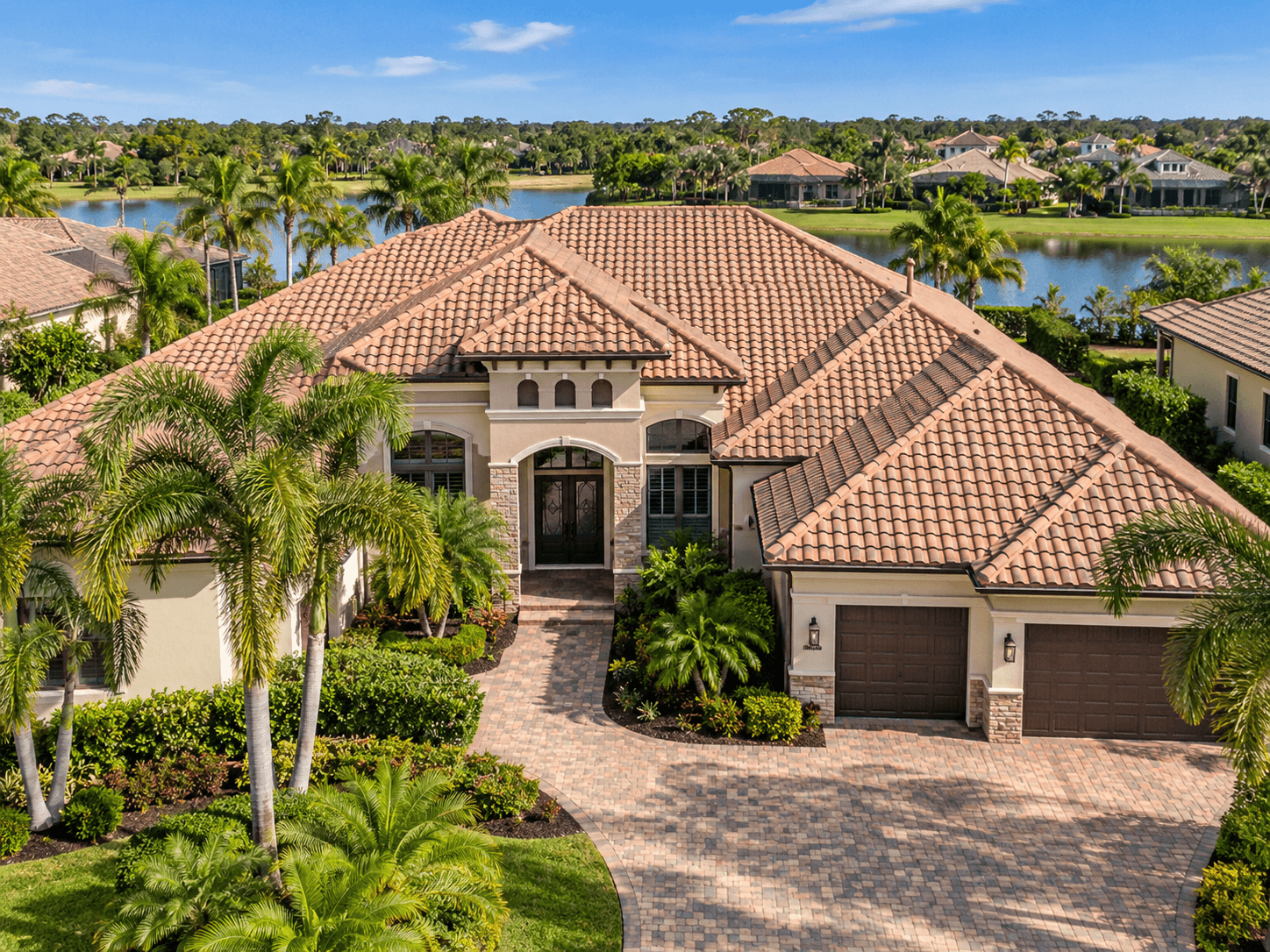
El Niño Winter in Florida: What to Know and How to Protect Your Roof
El Niño, the periodic warming of the tropical Pacific Ocean, shifts weather patterns across the United States, and Florida feels it most in winter. NOAA’s Climate Prediction Center gives a greater than 90 percent chance that the 2026-27 El Niño becomes a very strong event this fall and winter. Florida homeowners should know what that means for the roof and how to protect it before the stormy months. This guide covers the forecast, how it changes a Florida winter, the tornado risk, how storms damage a roof, and what to do before and after one.

Ready to Talk About Your Roof?
Real Feedback From Local Customers


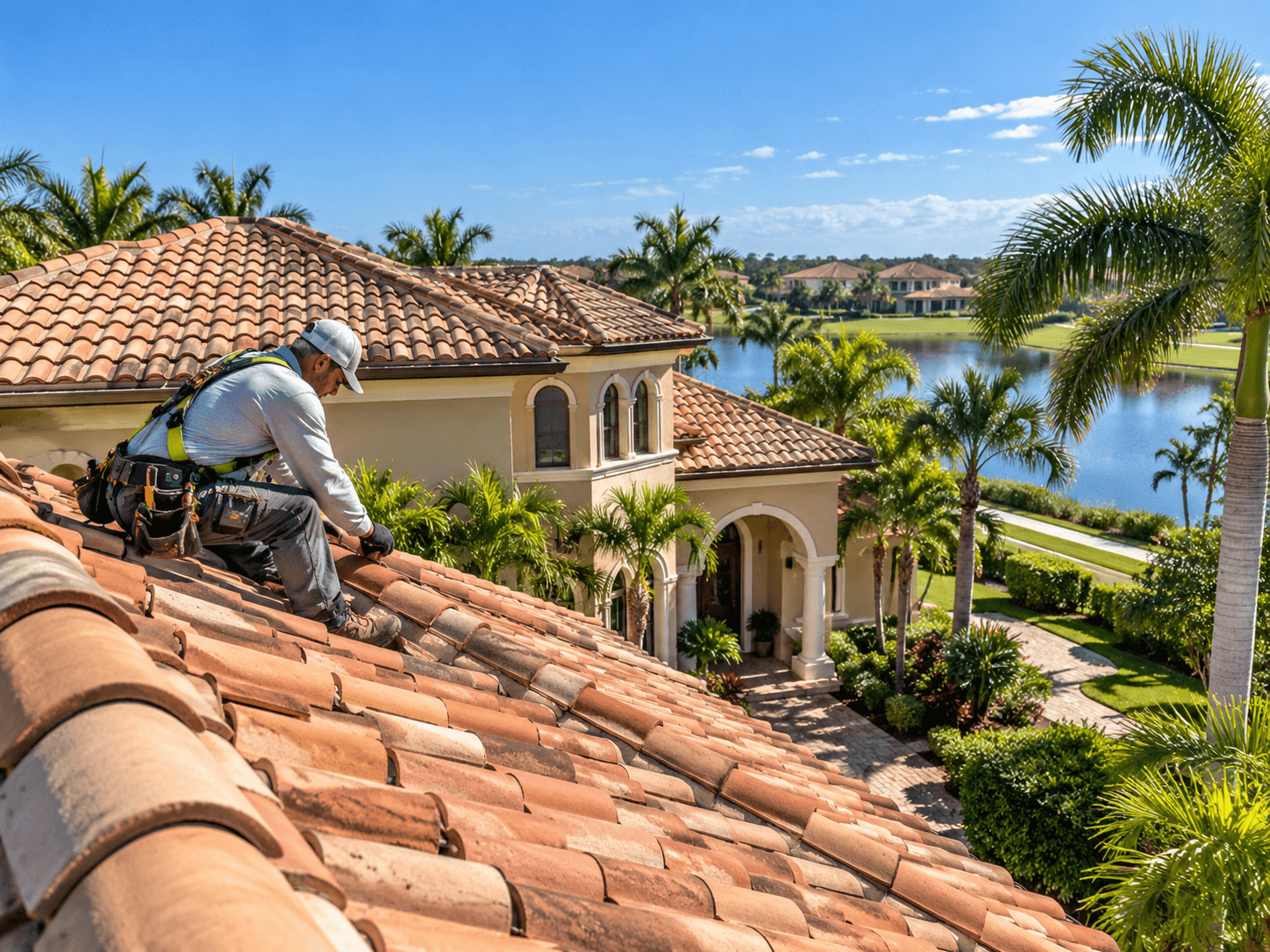
What Is the 2026-27 El Niño?
The 2026-27 El Niño is a warm phase of the tropical Pacific that NOAA gives a better than 90 percent chance of becoming very strong this fall and winter. The Climate Prediction Center has issued an El Niño Advisory, and it puts the chance of an event stronger than any recorded since 1950 at 75 percent. A stronger event makes the typical El Niño winter more likely, though the Climate Prediction Center notes that the usual impacts are not guaranteed.
How Does El Niño Change a Florida Winter?
El Niño changes a Florida winter by steering more storm systems across the state, which brings more rain, more severe weather, and a cooler late winter. The changes that matter most for a Florida winter include the following three.
- More rain: El Niño generally brings above-average rainfall to Florida in fall, winter, and spring, according to the National Weather Service in Tallahassee, and Tampa Bay rainfall runs well above normal from December through March in moderate to strong events.
- More severe weather: West central and southwest Florida see tornadoes, damaging winds, and hail up to twice as often in winter and spring during strong El Niño conditions as during strong La Niña conditions, according to the National Weather Service in Tampa Bay.
- A cooler late winter: Florida winter temperatures in strong El Niño years tend to run above average in December, then near to below average from January through March.
The same cause sits behind all three changes. The subtropical jet stream becomes more dominant in El Niño winters, which produces more low pressure systems, more rain, and more clouds over Florida.
Does El Niño Bring More Tornadoes to Florida?
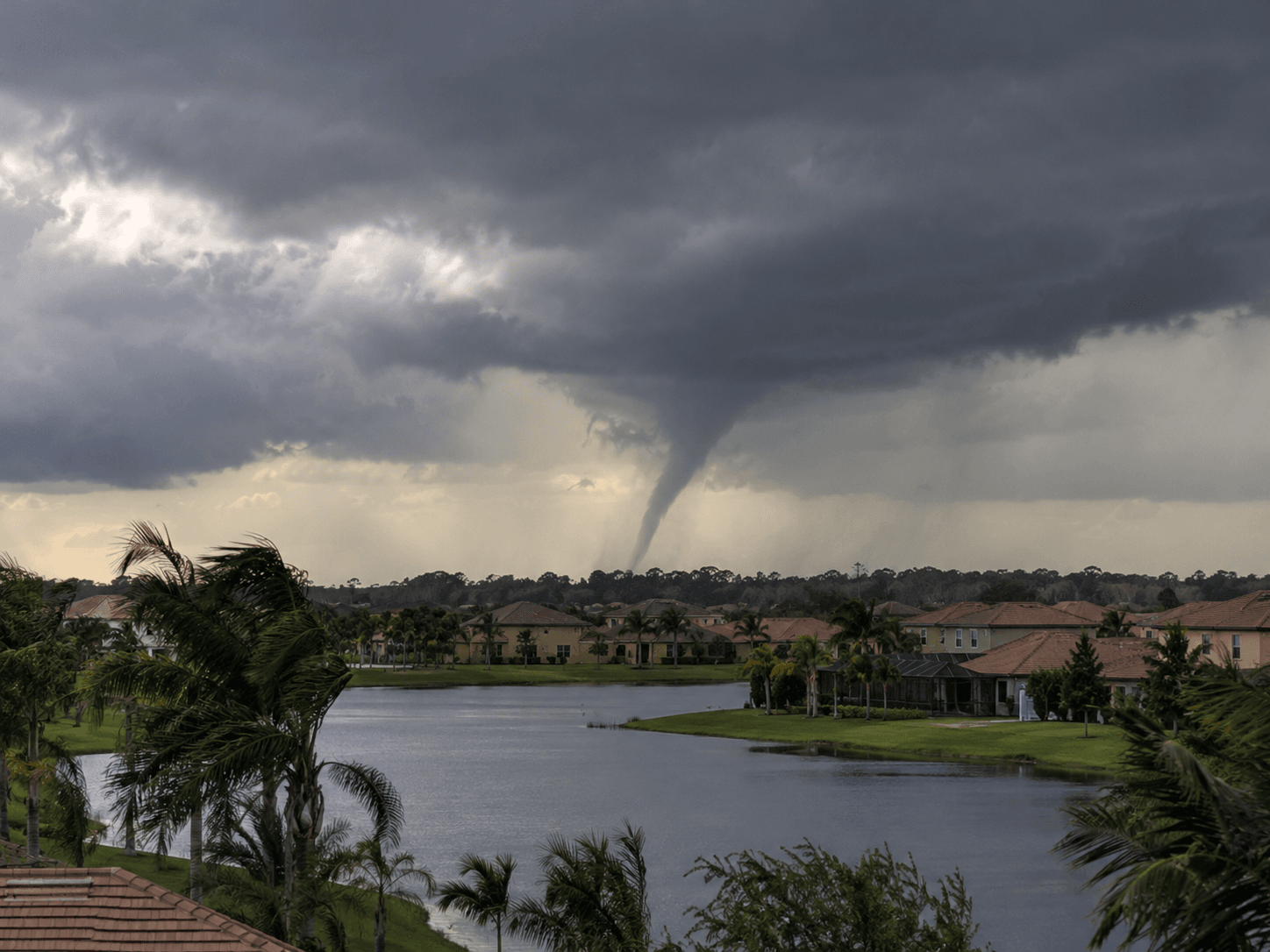
Yes, El Niño brings more tornadoes to Florida, and the effect is strongest in central and south Florida. Under El Niño conditions the state averages about 15 tornadoes a year, nearly twice the number in neutral and La Niña years, and about 20 tornado events a year in strong El Niño years, according to the National Weather Service in Tallahassee.
History supports the pattern. The National Weather Service in Melbourne links Florida’s strong and violent dry-season tornadoes to extreme El Niño events, and the very strong El Niños of 1982-83 and 1997-98 produced the two most active tornado seasons in state history. On the night of February 22 to 23, 1998, seven tornadoes crossed Central Florida, killing 42 people, injuring more than 260, and damaging more than 3,000 structures, according to the National Weather Service. The outbreak remains the deadliest tornado event in Florida history.
How Do Winter Storms Damage a Roof?
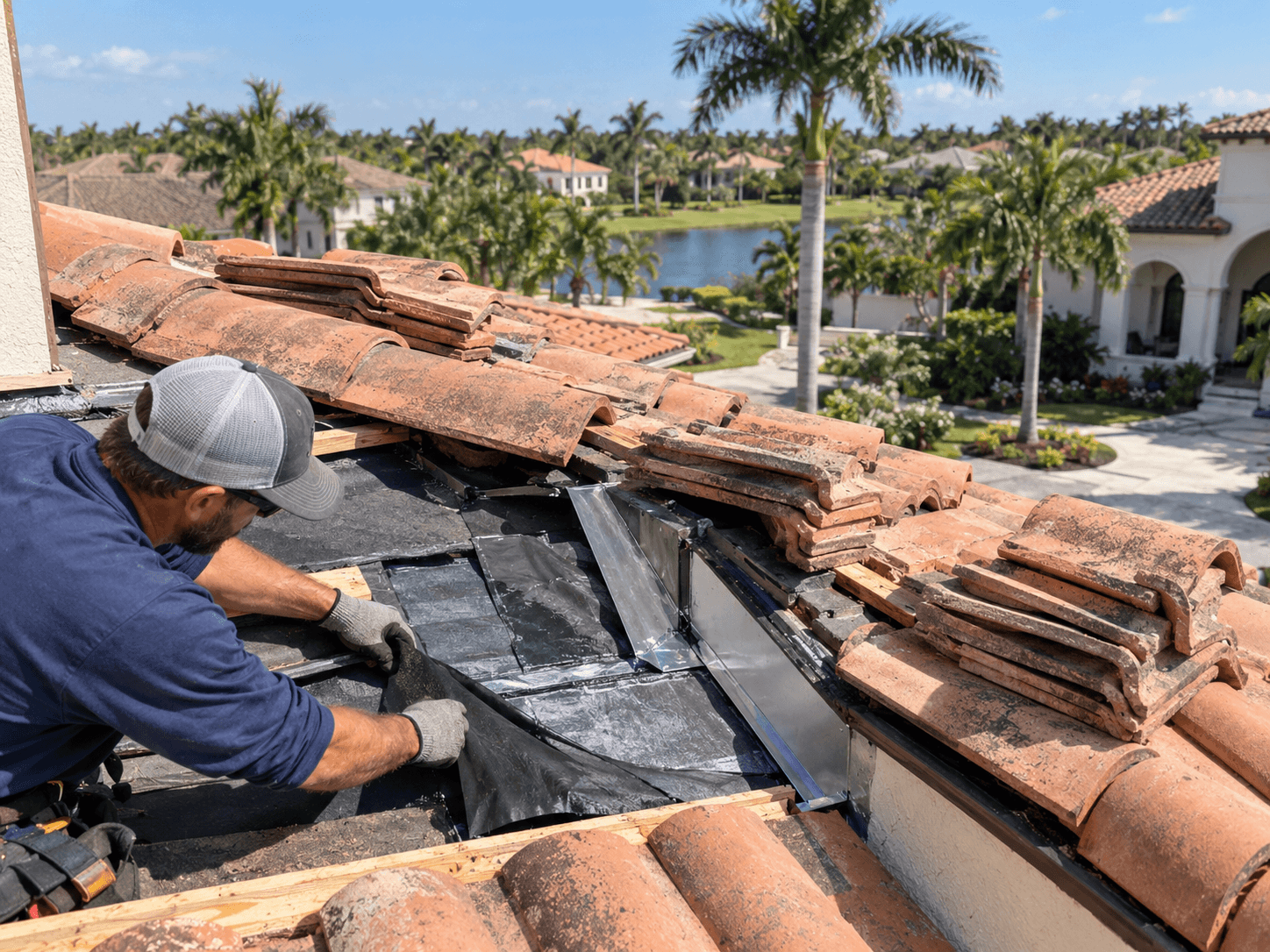
Winter storms damage a roof by pulling at its edges, lifting its covering, and driving water into the joints where the roof is weakest. The most common ways a winter storm damages a roof include the following.
- Wind at the roof edges: the edges and overhangs of a roof face higher uplift and more wind-driven rain than the middle of the roof.
- Lifted shingles and tiles: a roof covering that is loose, cracked, or poorly fastened can lift or slide in strong gusts.
- Water at flashing and valleys: most roof leaks enter at flashing, valleys, skylights, pipe boots, and other penetrations.
- Wind-driven rain that travels: water that gets under a roof covering can travel several feet before it shows up on a ceiling.
- Repeated soaking of old weak spots: in Don Campbell’s experience, roof leaks almost always trace back to installation or deferred maintenance, and a wet winter finds them.
Storms rarely create a weakness in a roof; they expose one. After recent hurricanes, Don Campbell saw a roof’s age and installation decide which roofs failed, including in a Sarasota tile community of roughly 25-year-old roofs where about 40 of 110 failed critically. Winter fronts test the same weak points, and our guide to how roofs fail in hurricanes covers the signs of storm damage in detail.
What Should You Check on Your Roof Before the Stormy Months?
You should check your roof’s flashing, valleys, and covering before the stormy months, while the weather still allows a calm repair. The checks every Florida roof should get before the winter storms include the following five.
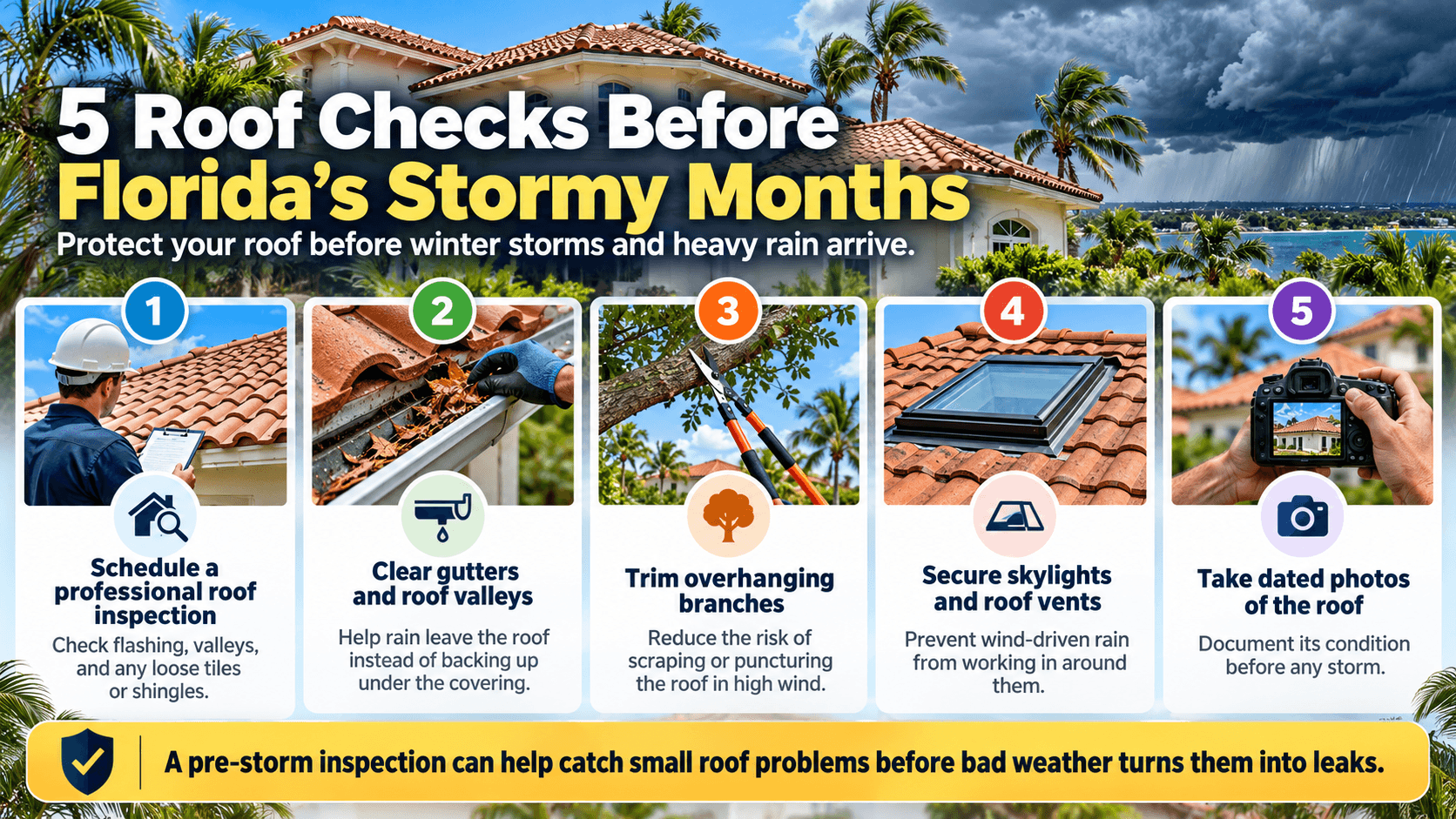
The same check belongs after every major storm. RAVASA Roofing starts with a pre-season roof inspection that covers both the roof and the attic beneath it, and our guide to Florida roof maintenance explains what to keep up between visits.

What Should You Do After a Storm Damages Your Roof?
You should protect the home first and plan the permanent repair second after a storm damages your roof. While you wait for a roofer, contain dripping water, move belongings away from the leak, and photograph the damage inside and out. A tarp keeps rain out until the damage is assessed, and emergency roof repair after a storm follows that protect-first order. RAVASA Roofing makes contact the same day you call and schedules the visit for the next day.
The permanent repair comes next. A storm leak rarely sits where the water shows on the ceiling, so the repair should start where water enters the roof, and our page on repairing a roof leak explains that process.
Insurance runs on deadlines. Florida law requires notice of a roof claim within one year of the date of loss, and once a claim is filed the insurer has 60 days to pay or deny it. Florida law also bars contractors from offering a “free roof” or waiving a deductible to win the job, so an offer like that at the door is a warning sign. Our guide to filing a roof insurance claim walks through each step.
What Should Florida Homeowners Know About Their Roof This Winter?
Florida homeowners should know that winter storms are not hurricanes, but they test the same weak points in a roof. A strong cold front or squall line brings shorter bursts of wind than a hurricane, yet it can still lift a loose tile, drive rain under worn flashing, or drop a branch onto the roof.
The forecast is a probability, not a promise, and the part every homeowner controls is the roof’s condition before the first storm arrives.
